
Climate Controlled Self Storage: Definition, Features, Types, Uses and Benefits
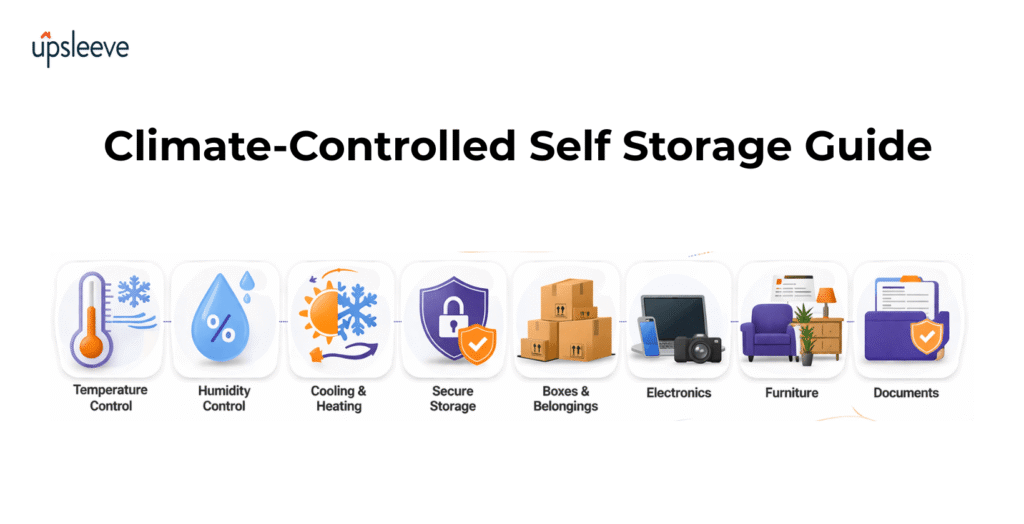
Table of Contents
- What is Climate Controlled Self Storage?
- Where Is Climate Controlled Self Storage Located in the UAE?
- What Regulatory Approvals Does a Climate Controlled Self Storage Facility Need in Dubai?
- What Features Do Climate Controlled Self Storage Units Have?
- What Fire Safety Standards Apply to Climate Controlled Self Storage in Dubai?
- What Are The Types of Climate Controlled Self Storage?
- What Are the Uses of Climate Controlled Self Storage?
- What Items Require Climate-Controlled Storage?
- How to Choose the Right Climate Controlled Self Storage?
- Ready to Move? Get Your Free Quote Today
Climate controlled self storage consists of indoor units or warehouses with regulated temperature and humidity that protect sensitive or high-value items from corrosion, mold, warping, cracking, and moisture or heat damage. These units feature temperature and humidity control, air quality regulation, pest protection, security monitoring, and HVAC systems. Climate controlled self storage is available in different types, such as heated, air-conditioned, air cooled, humidity-controlled, and mixed systems, offering varying levels of environmental protection.
Climate controlled self storage serves residential, commercial, and protective purposes, storing items ranging from furniture, clothing, electronics, and artwork to collectibles, documents, food, wine, wood-based products, and vehicles, depending on sensitivity and value. The benefits of climate controlled self storage include climate and temperature stability, moisture and mold prevention, long-term preservation, protection from physical and chemical damage, and overall safety from environmental hazards and pests. You can select the right unit by considering item sensitivity, storage duration, type of items, local weather, temperature, and humidity requirements, and cost, so your belongings remain safe, stable, and well-preserved over time.
What is Climate Controlled Self Storage?
Climate controlled self storage is a type of storage unit that maintains stable temperature and humidity inside an enclosed building using an Heating, Ventilation, and Air Conditioning (HVAC) system. These storage units maintain temperatures between 55°F and 85°F (13°C-29°C) and keep humidity levels around 45%-55%, to create a consistent indoor environment that reduces exposure to heat, cold, and moisture for sensitive items such as wooden furniture, electronics, and artwork. The UAE is located within a desert climate zone where outdoor summer temperatures exceed 45°C and coastal humidity in communities such as Dubai Marina and JBR averages 54% to 60% across the year. Interior temperatures in non-climate-controlled storage units can reach up to 30°F higher than the outside air during peak summer months. Seasonal shamal winds also push fine sand and dust into unsealed units, adding to the combined impact of heat and humidity. Climate-controlled self-storage in the UAE is designed to manage all three conditions by maintaining consistent cooling, regulating humidity, and preventing dust ingress, rather than focusing on freeze protection. The centralized climate control system operates through a centralized HVAC system that circulates conditioned air throughout the facility while sensors regulate temperature and humidity levels. The climate controlled self storage units remain inside a fully enclosed structure rather than outdoors, allowing insulation and controlled airflow to maintain stable conditions.
Where Is Climate Controlled Self Storage Located in the UAE?
Climate-controlled self-storage facilities in the UAE must be located in approved industrial and warehouse zones rather than residential areas, as mainland zoning regulations restrict storage operations to designated commercial locations. Dubai’s primary storage clusters include Al Quoz Industrial Areas 1 to 4, Ras Al Khor Industrial Area, Dubai Investment Park (DIP), and Jebel Ali. Free zone facilities such as those in Jebel Ali Free Zone (JAFZA) operate under separate licensing managed by Trakhees. Location of a facility directly affects access times, loading logistics, and delivery pricing for customers across Dubai.
What Regulatory Approvals Does a Climate Controlled Self Storage Facility Need in Dubai?
A climate-controlled self-storage facility in Dubai requires a trade license, Dubai Municipality warehouse approval, and Trakhees approval (for free zones) before it can accept customer goods. The trade license is issued by the Dubai Department of Economy and Tourism (DET) for mainland operations or by the relevant free zone authority. Dubai Municipality warehouse approval covers zoning, building regulations, and structural compliance in areas such as Al Quoz, Dubai Investment Park, and Ras Al Khor. Facilities located in JAFZA and other special development zones obtain approvals through Trakhees, the Ports, Customs and Free Zone Corporation (PCFC) authority.
What Features Do Climate Controlled Self Storage Units Have?
The features that climate controlled self storage units have are humidity control, temperature control, air quality control, security control, and pest control. These features work together to maintain a safe, stable, and well-protected environment for stored items.
The features of climate controlled self storage units are given below.
- Humidity control: Dehumidifiers, hygrometers, and moisture sensors are used in climate controlled self storage units to maintain 30%-50% humidity levels and prevent mold, mildew, and moisture damage.
- Temperature control: Centralized HVAC systems, insulation, and thermostats maintain a stable 13°C–29°C range, with UAE facilities operating at 20°C–25°C year-round and keeping humidity at 55% RH or lower to protect items from extreme heat and moisture.
- Air quality control: Ventilation systems and HEPA or MERV filters in Climate Controlled Self Storage facilities help reduce dust and ensure clean, consistent airflow throughout the building.
- Security control: CCTV surveillance, keypad access, motion sensors, and secure locks monitor activity and prevent unauthorized entry, with Dubai facilities operating under SIRA standards for camera quality, coverage, alarm systems, and access control logging.
Pest control: Sealed structures, traps, and regular inspections in climate controlled self storage facilities help prevent insects and rodents from entering storage areas
What Fire Safety Standards Apply to Climate Controlled Self Storage in Dubai?
Fire safety standards for climate-controlled self-storage facilities in Dubai include a compliant warehouse layout and approved sprinkler and fire detection systems. They also require the use of fire-resistant construction materials and addressable fire alarm systems connected to Dubai Civil Defence (DCD) for monitoring infrastructure. Facilities must obtain DCD approval before opening, covering warehouse layout, fire detection systems, sprinkler design, and fire-resistant materials. This approval is also required for trade licence issuance and is typically a prerequisite for insurance coverage in the UAE. These standards are defined under the UAE Fire and Life Safety Code of Practice and enforced by Dubai Civil Defence (DCD), which oversees system approvals, compliance, and emergency response integration.
What Are The Types of Climate Controlled Self Storage?
The types of climate controlled self storage are heated storage, air-conditioned storage, air cool storage, humidity-controlled storage, and mixed systems. These storage units provide varying levels of environmental control to protect belongings from temperature and humidity fluctuations. Heated storage prevents freezing damage during cold seasons, while air-conditioned storage keeps items safe from heat and warping in hot weather. Air cool storage offers basic ventilation and limited cooling for less sensitive items, and humidity-controlled storage regulates moisture to prevent mold, mildew, and corrosion. Mixed systems combine heating, cooling, and humidity control to provide year-round protection, making them ideal for high-value, long-term, or highly sensitive items.
Heated Storage
Heated storage is a type of climate controlled storage that maintains indoor temperatures around 55°F to 85 °F (13 °C to 27 °C) during cold seasons. Heating equipment connected to the facility’s HVAC system, such as electric heaters, heat pumps, and thermostats, keeps the environment warm enough to prevent freezing damage. Heated storage units are ideal for winter climates, where the temperature of outdoor storage areas may drop below freezing point and damage stored belongings. Items that commonly require this type of climate controlled storage include wooden furniture, electronics, musical instruments, antiques, paper documents, photographs, and household appliances.
UAE self-storage facilities do not offer heated storage as a standard service because winter temperatures between December and February range from 14°C to 25°C and do not drop to freezing. Climate controlled storage in the UAE focuses on air conditioning and humidity control to protect these same item categories from heat and moisture damage, rather than cold.
Air-Conditioned Storage
Air-conditioned storage provides cooling during hot weather through HVAC cooling systems, air conditioners, and thermostats that keep temperatures steady inside the facility. These storage units typically maintain internal temperatures below 85°F (29°C), creating a stable environment for heat-sensitive belongings. Electronics, wooden furniture, artwork, photographs, and vinyl records benefit from this controlled setting, as consistent cooling reduces the risk of material expansion, warping, or component damage caused by excessive heat.
Air Cool Storage
Air cool storage provides basic cooling by circulating cold air through fans or ventilation ducts, without relying on a full HVAC system like air-conditioned storage. It offers limited temperature stabilization, making it less precise in maintaining consistent indoor conditions, but it still helps reduce the effects of hot summers on stored items. This air cooling system focuses on ventilation and airflow, which helps control water vapor and minimize excessive heat buildup, protecting belongings from extreme temperature spikes. This approach offers a cost-effective storage solution for items that are moderately sensitive to heat, such as household goods, non-precious furniture, and certain electronics, where full climate control is not required.
Humidity-Controlled
Humidity-controlled storage is a moisture regulation system that maintains stable indoor humidity to protect stored items from mold, mildew, and corrosion. Dehumidifiers, hygrometers, and moisture sensors work together to keep humidity levels consistently between 45% and 55%, creating a dehumidified storage environment that minimizes moisture-related damage. This type of storage is ideal for paper documents, wooden furniture, artwork, photographs, and collectibles, which are highly sensitive to excess moisture.
Planning a Move? Let the Experts Handle It
From home moves to office relocations, our professional movers ensure safe packing, timely transport, and stress-free moving. Get expert help today.
Get a Free Moving QuoteMixed Systems
Mixed systems combine heating, cooling, and humidity regulation into a single storage solution using advanced HVAC integration. This storage setup continuously monitors and adjusts temperature and moisture levels to maintain a stable environment year-round, regardless of seasonal changes. These storage units are ideal for high-value items, long-term storage, and sensitive belongings such as antiques, fine art, electronics, and important documents.
What Are the Uses of Climate Controlled Self Storage?
The uses of climate controlled self storage include protecting sensitive, valuable, and long-term stored items from damage caused by temperature changes, humidity, and environmental fluctuations. It is widely used in residential, commercial, and protective applications where stable storage conditions are essential for preserving the quality of an item.
Homeowners often use climate controlled self storage during moving or relocation to keep furniture, electronics, and personal items safe from damage caused by heat, cold, or moisture. It is also commonly used for storing seasonal items such as clothing, patio furniture, and holiday decorations, as well as for protecting valuables and family heirlooms that could warp, crack, or deteriorate in uncontrolled conditions.
Business owners rely on climate controlled self storage for office records and business documents, so important paperwork remains intact and free from mold or fading. It is also used to store inventory, supplies, and seasonal merchandise, allowing companies to manage stock efficiently while preventing heat or humidity-related damage to products.
Climate controlled self storage units store the high-value collectibles like art, antiques, and jewelry, along with sensitive materials such as photographs and manuscripts, to prevent deterioration caused by fluctuations in temperature and humidity. Specialized items like wine collections and musical instruments also benefit from a controlled environment, as stable conditions prevent warping, cracking, or spoilage, maintaining their quality and longevity over time.
What Items Require Climate-Controlled Storage?
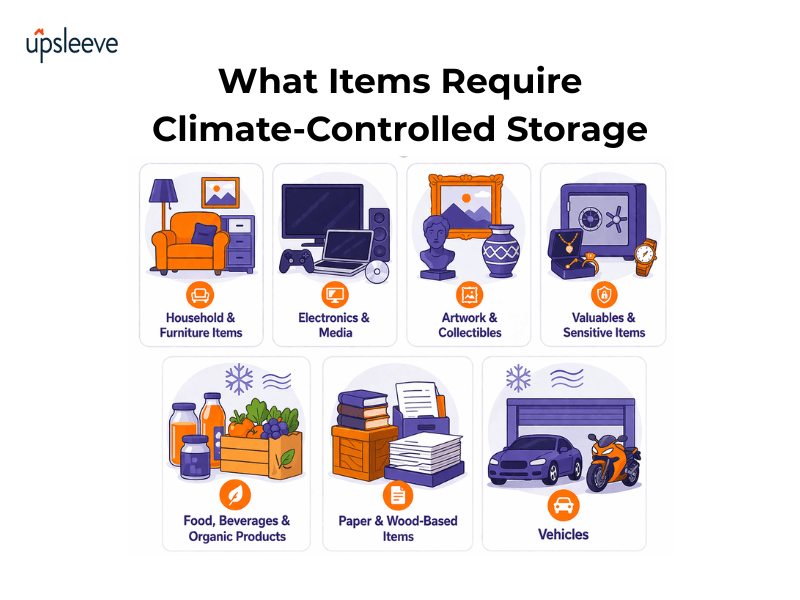
The items that require climate controlled self storage include household and furniture items, electronics and media, artwork and collectibles, valuables and sensitive items, food and beverages, paper and wood-based items, and vehicles. These items need regulated temperature and humidity conditions to prevent damage, deterioration, and loss of quality over time
The items that require climate control storage are given below.
- Household & Furniture Items: Household items such as furniture, bedding, clothing, and textiles require climate controlled self storage because stable temperature and humidity levels prevent warping, cracking, mold, mildew, staining, and fading.
- Electronics & Media: Electronics and media like computers, TVs, gaming consoles, and discs need climate controlled self storage because protection from extreme heat, cold, and humidity prevents malfunction, warping, and data loss.
- Artwork & Collectibles: Artwork, sculptures, rare collectibles, and musical instruments require climate controlled self storage as it helps prevent damage from environmental changes, preserving their condition and value.
- Valuables & Sensitive Items: Important documents, photographs, and family heirlooms need climate controlled self storage because it protects them from humidity, temperature fluctuations, mold, and long-term deterioration.
- Food, Beverages & Organic Products: Items such as wine, cosmetics, pharmaceuticals, and organic goods require climate controlled self storage because stable conditions prevent spoilage, melting, fermentation, and chemical breakdown.
- Paper & Wood-Based Items: Books, documents, wooden furniture, and art pieces need climate controlled self storage as controlled humidity prevents warping, cracking, yellowing, and mold growth.
- Vehicles: Luxury, vintage, and high-value vehicles benefit from climate controlled self storage because it reduces moisture buildup, protects sensitive materials, and helps maintain overall condition in extreme climates.
What Items Are Prohibited from Climate Controlled Self Storage in the UAE?
Fire safety standards for climate-controlled self-storage facilities in Dubai include a compliant warehouse layout, approved sprinkler and fire detection systems, the use of fire-resistant construction materials, and addressable fire alarm systems connected to the Dubai Civil Defence (DCD) central monitoring system. Facilities must obtain DCD approval before opening, covering warehouse layout, fire detection systems, sprinkler design, and fire-resistant materials. This approval is also required for trade licence issuance and is typically a prerequisite for insurance coverage in the UAE. These requirements are defined under the UAE Fire and Life Safety Code of Practice and enforced by Dubai Civil Defence (DCD), which oversees system approvals, compliance, and emergency response integration.
What Benefits Do Valuables Get from Climate Controlled Storage?
The benefits of climate controlled storage are temperature and climate protection, moisture and mold prevention, preservation and longevity of items, protection from physical and chemical damage, and enhanced safety from environmental hazards and pests. These benefits are achieved through stable temperature and humidity levels, which prevent warping, cracking, corrosion, and heat or cold damage. Controlled conditions also reduce the risk of mold, mildew, and moisture-related deterioration, preserving sensitive belongings like electronics, furniture, artwork, and documents. Additionally, climate controlled units protect items from sunlight, pollutants, off-gassing, and pests, extending their lifespan and maintaining their quality and appearance over time.
Temperature & Climate Protection
Climate controlled self storage provides protection from heat and extreme temperatures by regulating the ambient temperature inside the storage facility. Integrated HVAC systems maintain stable indoor conditions throughout the year, protecting stored belongings from heat damage, freezing conditions, and sudden weather changes that can occur in harsh environments. A stabilized storage environment also reduces the expansion and contraction of materials such as wood, metal, plastic, and leather caused by temperature fluctuations. This consistency in temperature and humidity levels preserves the shape, structure, and condition of items such as wooden furniture, electronics, documents, and artwork, preventing issues like warping, cracking, or deterioration over time.
Moisture & Mold Protection
Climate controlled self storage regulates humidity through dehumidifiers, ventilation systems, and moisture sensors that maintain balanced indoor conditions for mold and mildew prevention. This controlled environment provides protection from moisture damage, reducing the risk of rust, corrosion, and material deterioration on items such as furniture, clothing, documents, and electronics. It lowers the chances of musty odors, staining, and decay, helping stored belongings remain clean and well-preserved over time.
Preservation & Longevity
Climate controlled self storage supports long-term storage reliability by maintaining stable temperature and humidity levels that protect the quality and appearance of stored belongings. This controlled environment slows the aging of materials and supports the preservation of sensitive items such as furniture, artwork, documents, and electronics. Consistent environmental conditions in this type of storage also help prevent warping and cracking in materials like wood, paper, and plastics.
Protection from Physical & Chemical Damage
Climate controlled self storage protects stored belongings from environmental factors such as extreme heat, cold temperatures, high humidity, moisture buildup, and sudden temperature fluctuations that can cause cracking, warping, rust, discoloration, corrosion, and chemical reactions. Regulated temperature and humidity provide protection from rust and melting, while stable conditions reduce stress on materials such as wood, metal, plastics, and electronics that can deteriorate under extreme temperatures or moisture. This enclosed indoor environment also limits exposure to sunlight, airborne pollutants, and off-gassing, which can lead to fading, chemical breakdown, or surface damage.
Safety & Environmental Protection
Climate controlled storage helps reduce risks from external environmental hazards such as temperature spikes, humidity changes, theft, and pests. Most indoor storage units are located inside enclosed buildings, which shield stored belongings from outdoor conditions while also offering protection from pests through sealed structures and monitored access points. These controlled environments also increase the safety of high-value items by combining environmental stability with enhanced facility security features such as surveillance systems, controlled entry points, and monitored spaces. Licensed storage providers in Dubai offer insurance coverage for stored goods against risks such as fire, theft, and accidental damage. Most facilities include a baseline level of coverage as part of the storage agreement, with the option to add higher third-party contents insurance for high-value items. This insurance is typically dependent on the facility holding a valid Dubai Civil Defence certification and Dubai Municipality approval, so customers should confirm these credentials before storing electronics, artwork, or important documents.
How to Choose the Right Climate Controlled Self Storage?
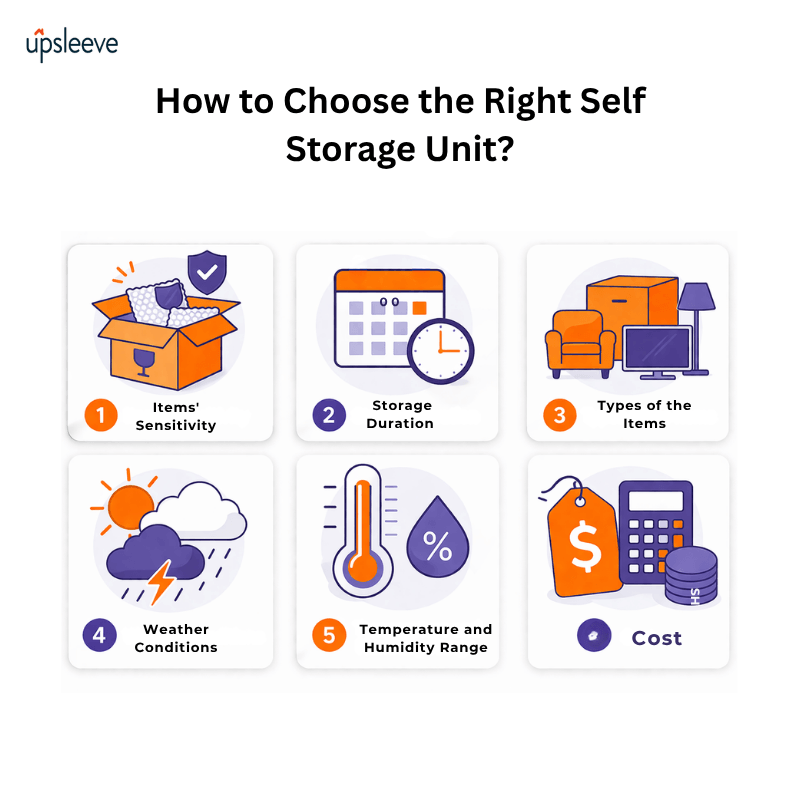
To choose the right climate controlled self storage, consider items’ sensitivity, storage duration, types of items, weather conditions, temperature and humidity range, and cost. Evaluating these factors helps to keep your belongings safe, well-preserved, and protected from environmental damage.
- Items’ Sensitivity: Evaluate how sensitive your belongings are to temperature, humidity, and environmental changes, especially if they include delicate or high-value items like electronics, artwork, or wooden furniture.
- Storage Duration: Consider how long you plan to store your items, as longer storage periods require more stable and consistent climate controlled conditions.
- Types of Items: Identify what you are storing, since different items such as furniture, electronics, clothing, or food, require different levels of climate protection.
- Weather Conditions: Assess local weather conditions, as extreme heat, cold, or humidity may require stronger climate control in a self-storage unit.
- Temperature and Humidity Range: Check whether the climate controlled self storage unit maintains stable temperature and humidity levels to prevent damage like warping, mold, or corrosion.
- Cost: Compare costs carefully, balancing the price of climate controlled self storage with the value and sensitivity of the items being stored..
1. Items' Sensitivity
Start by assessing the sensitivity of your items to temperature and humidity by checking their material type, age, condition, and how easily they can be damaged by environmental changes. Highly sensitive items such as electronics, wooden furniture, artwork, documents, photographs, musical instruments, and antiques require stricter climate control, while less sensitive items like seasonal clothing or general household goods may need only basic climate regulation. This evaluation helps determine the most suitable type of climate controlled self storage, including heated storage for freezing protection, air-conditioned storage for heat-sensitive items, humidity-controlled storage for paper, textiles, and wood, or mixed systems for year-round protection of valuable or long-term belongings.
2. Storage Duration
Consider the length of time you plan to store your items when selecting climate controlled self storage, as the required level of protection depends on duration. Short-term storage may only need basic climate control, while long-term storage requires more stable conditions to reduce risks from temperature changes, humidity, and pests. Extended storage periods often benefit from advanced climate controlled units, such as mixed systems or humidity-controlled storage, to ensure lasting protection for items like furniture, electronics, documents, and artwork.
3. Types of Items
The table below provides recommended storage types and ideal conditions for different categories of belongings.
| Types of Item | Recommended Storage Type | Ideal Storage Conditions |
|---|---|---|
| Electronics & Media | Air-Conditioned Storage | Temperature below 85°F (29°C), low humidity, stable airflow |
| Wooden Furniture & Textiles | Heated or Humidity-Controlled Storage | Temperature 55–85°F (13–29°C), humidity 45–55% |
| Artwork & Collectibles | Mixed System Storage | Year-round stable temperature and humidity, minimal light exposure |
| Documents, Books, Paper Items | Humidity-Controlled Storage | Temperature 65–75°F (18–24°C), humidity 45–55% |
| Clothing & Seasonal Items | Basic Climate Controlled Storage | Stable temperature, moderate humidity |
| Wine, Pharmaceuticals, Organic Products | Humidity-Controlled Storage | Temperature 55–65°F (13–18°C), controlled humidity |
| High-Value or Long-Term Items | Mixed System Storage | Year-round protection with stable temperature and humidity |
4. Weather Conditions
Assess local weather conditions when selecting climate controlled self storage, as extreme heat, cold, or high humidity can significantly increase the risk of damage to sensitive items. You should review seasonal temperature ranges, humidity levels, and overall climate patterns in your area to understand the level of protection required. Regions with harsh weather conditions may require units with heating, air-conditioning, or humidity control to maintain stable storage conditions and protect items such as electronics, wooden furniture, artwork, and documents from warping, cracking, mold, or corrosion.
5. Temperature and Humidity Range
Check the temperature and humidity range of a storage unit when choosing climate controlled self storage, as extreme or fluctuating conditions can cause serious damage to sensitive items. Review the facility’s specifications, ask the provider for monitored climate records, and verify whether the unit uses HVAC systems and humidity controls to maintain consistent temperature and humidity levels. Belongings such as electronics, wooden furniture, artwork, documents, and textiles are especially vulnerable to heat, cold, and moisture. Selecting a unit that maintains a consistent temperature of around 55-85°F (13-29°C) and stable humidity levels of approximately 45-55% helps prevent issues such as warping, cracking, mold, corrosion, and fading.
6. Cost
Consider cost when choosing climate controlled self storage by comparing different unit types and what features they offer, as self storage prices vary depending on the level of climate control and added services. You should review quotes from multiple climate controlled self storage facilities, check what is included in the rental fee (such as HVAC, humidity control, or security features), and compare them against your storage needs and budget. Basic units with limited regulation are generally more affordable, while advanced options such as heated, air-conditioned, humidity-controlled, or mixed system units cost more due to their ability to provide consistent year-round protection for stored items.
Considering all these factors allows you to confidently select the ideal climate-controlled self storage facility that best protects your items while meeting your specific storage needs and budget.
What Is the Cost of Climate Controlled Self Storage?
The cost of climate controlled self storage in the UAE typically ranges from AED 149 to AED 500+ per month. This cost depends on factors such as unit size, location, level of climate control, security features, and rental duration. Providers like Upsleeve offer climate controlled storage starting at approximately AED X to AED Y. Storage services in the UAE are subject to the standard 5% Value Added Tax (VAT) administered by the Federal Tax Authority (FTA), so customers should confirm whether a quoted price includes or excludes VAT. VAT-registered businesses storing inventory receive a tax invoice and can recover the input VAT under the standard FTA rules.
Is Using Climate Control Self Storage Worth It?
Yes, climate controlled self storage is worth it because it provides a stable environment that protects sensitive and valuable items from damage caused by extreme temperatures, humidity, pests, and environmental fluctuations. This protection prevents warping, cracking, mold, corrosion, and fading, keeping belongings like electronics, furniture, artwork, documents, and collectibles safe and well-preserved over time.
What Items Do Not Require Climate Controlled Self Storage?
Items such as gardening tools, cars, kitchen utensils, decorations, patio furniture, and sports equipment generally do not require climate-controlled self storage, as they are durable and resilient to temperature changes and can withstand heat, cold, and humidity without sustaining significant damage. These items are made from sturdy materials like metal, plastic, or treated wood, so standard storage provides adequate protection without the need for climate control.
What Is the Duration of Climate Controlled Self Storage?
Climate controlled self storage is available for both short-term and long-term use. Households typically store items for 12-18 months, while businesses often use units for 6-12 months. Many facilities offer flexible, month-to-month terms, allowing users to adjust the storage period based on the sensitivity, quantity, and specific needs of their belongings.
What Is the Ideal Temperature of a Climate Controlled Self Storage?
The ideal temperature for climate controlled self storage generally ranges from 55-85°F (13-29°C), providing a stable environment that protects belongings from extreme heat or cold. Specific temperature requirements depend on the type of items being stored, electronics, artwork, and wooden furniture may require cooler, more controlled conditions, while less sensitive items can tolerate the higher end of the range. This temperature range may also vary based on local weather and regional climate, as units in hotter or colder areas might adjust their settings to maintain consistent protection for stored items throughout the year.
What Is the Difference Between Climate Controlled and Non Climate Controlled Self Storage Units?
The table below highlights the main differences between climate controlled and non climate controlled self storage units.
| Feature | Climate Controlled Storage | Non Climate Controlled Storage |
|---|---|---|
| Temperature & Humidity Control | Maintains stable temperature and humidity to protect sensitive items | No temperature or humidity control, exposed to outdoor conditions |
| Protection from Weather | Protects from extreme heat, cold, and moisture | Subject to external weather fluctuations, temperatures can exceed outside temperatures by 30°F in summer |
| Suitable Items | Electronics, artwork, antiques, wooden furniture, documents | Durable items like tools, patio furniture, vehicles, or general household goods |
| Environmental Safety | Reduces the risk of warping, cracking, mold, or corrosion | Items may experience damage from heat, cold, or moisture exposure |
| Cost | Higher due to advanced HVAC and monitoring systems | More cost-effective due to simpler design and positioning |
| Usage Duration | Ideal for sensitive items and long-term storage | Suitable for short-term storage or less sensitive belongings |
What Is the Difference Between Climate Controlled and Air Cooled Self Storage Units?
The table below highlights the key differences between climate controlled and air cooled self storage units.
| Feature | Climate Controlled Storage | Air Cooled Storage |
|---|---|---|
| Temperature Control | Maintains a consistent, stable temperature year-round | Provides basic cooling through airflow, limited temperature stabilization |
| Humidity Control | Monitors and regulates humidity to protect sensitive items | Minimal humidity regulation; it primarily relies on ventilation |
| Environmental Protection | Protects against heat, cold, moisture, and mold | Reduces heat buildup but is less effective against extreme temperatures or moisture |
| Suitable Items | Electronics, artwork, antiques, wooden furniture, documents | Less sensitive items like general household goods, seasonal items, or plastic/metal products |
| Cost | Higher due to advanced HVAC and monitoring systems | More affordable due to simpler ventilation-based cooling |
| Year-Round Use | Ideal for all seasons and long-term storage | Best for moderate climates and short-term storage |
What Is the Difference Between Temperature Controlled and Climate Controlled Self Storage Unit?
The table below outlines the key differences between temperature controlled self storage and climate controlled self storage.
| Feature | Temperature Controlled Self Storage | Climate Controlled Self Storage |
|---|---|---|
| Definition | Maintains a stable temperature to protect items from extreme heat or cold | Maintains both temperature and humidity control to protect sensitive items year-round |
| Temperature Range | Typically 55–85°F (13–29°C); focuses on preventing freezing or overheating | Also 55–85°F (13–29°C), but adjusted to suit humidity-sensitive items |
| Humidity Regulation | Limited or no humidity control; primarily temperature-focused | Actively regulates humidity (usually 45–55%) to prevent mold, mildew, and moisture damage |
| Technology Used | Basic heating and cooling systems with thermostats | Advanced HVAC systems, dehumidifiers, sensors, and monitoring equipment for precise environmental control |
| Suitable Items | Electronics, furniture, and household goods sensitive to temperature | Electronics, artwork, antiques, documents, musical instruments, and other sensitive or high-value items |
How Do I Know If I Need Climate Controlled Self Storage?
You need a climate controlled self storage if the items you plan to store are sensitive to temperature or humidity, such as electronics, wooden furniture, artwork, documents, or musical instruments. Items with high financial or sentimental value, like antiques, collectibles, family heirlooms, or important papers, also benefit from the added protection. The intended storage duration matters as long-term storage increases the risk of damage from environmental fluctuations, making climate control more necessary. Finally, consider your storage budget, as climate controlled units are generally more expensive than standard storage, but the investment is worthwhile for preserving the integrity and value of sensitive belongings.

Learn how much movers cost in the UAE, including pricing factors, apartment size, distance, services included, and tips to plan your moving budget.
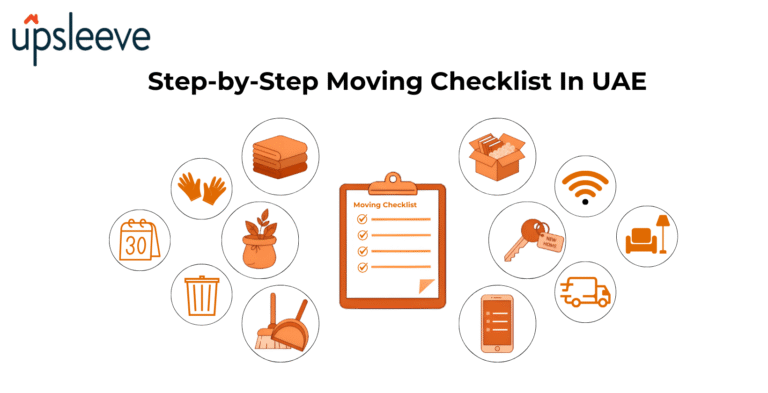
Use a complete moving out checklist to plan, pack, notify utilities, clean, inspect your property, avoid delays, and ensure a smooth, stress-free move.
Learn what relocation means in the UAE, its main types, costs, and a clear step-by-step guide to relocate smoothly with legal, housing, and moving tips.

Discover 12 benefits of hiring professional movers and packers in the UAE, including safe packing, faster moves, cost savings, insurance, and stress-free relocation.
Ready to Move?
Get Your Free Quote
Today
We make moving simple, safe, and stress-free. Our professional team handles everything from packing to delivery with care and precision.
- Professional packing & unpacking services
- Fully insured and licensed movers
- Same-day & next-day availability
- Free, no-obligation estimates
Request a Quote
Fill out the form below and we’ll get back to you as early as possible.