
Learn how much movers cost in the UAE, including pricing factors, apartment size, distance, services included, and tips to plan your moving budget.
15 Types of Packaging: Primary, Secondary and Tertiary
Last Updated: March 26, 2026
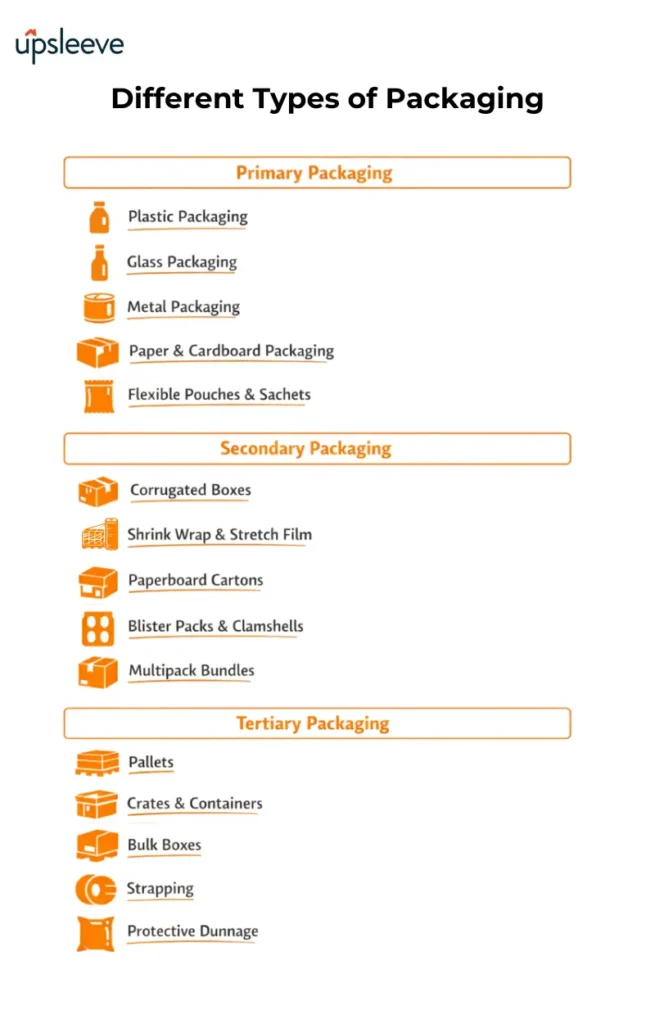
Primary Packaging
- Plastic Packaging
- Glass Packaging
- Metal Packaging
- Paper and Cardboard Primary Packaging
- Flexible Pouches and Sachets
Secondary Packaging
- Corrugated Boxes
- Shrink Wrap and Stretch Film
- Paperboard Cartons
- Blister Packs and Clamshells
- Multipack Bundles
Tertiary Packaging
- Pallets
- Crates and Containers
- Bulk Boxes
- Strapping
- Protective Dunnage
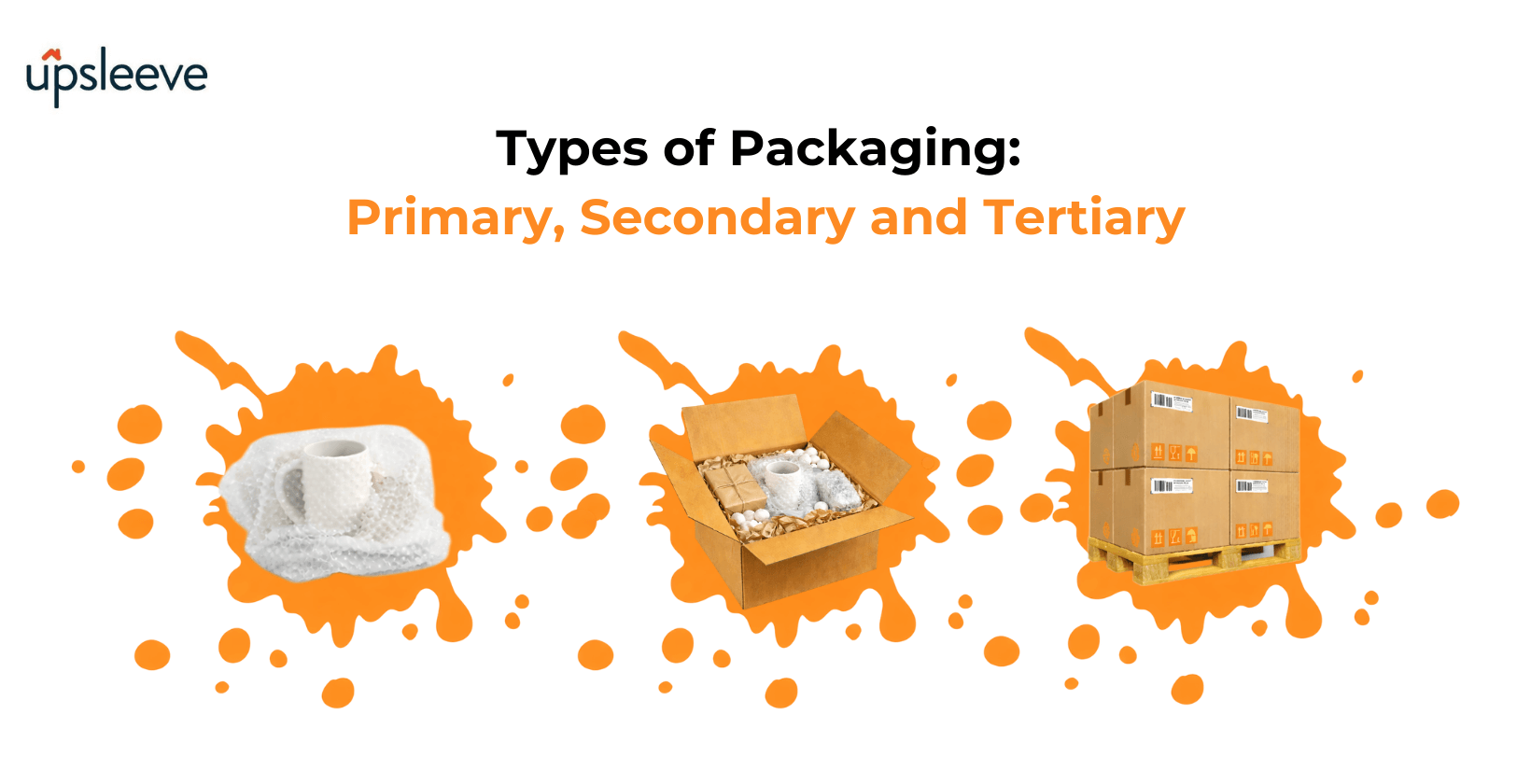
Packaging has three levels: primary packaging directly contacts and protects the product like bottles and boxes, secondary packaging groups primary packages for easier handling and display, and tertiary packaging is used for bulk transport and storage, like pallets and shipping cartons.
Packaging in the UAE is customized to guarantee product protection, maintain transport safety, enhance brand visibility, and meet strict industry compliance standards. All the above mentioned objectives guide the selection of materials, structural design, and functional features to ensure packaging effectively serves its intended purpose.
UAE businesses face challenges like extreme heat exposure that degrades materials, risks of transport damage during long-distance shipping, and strict regulations governing permissible packaging materials. Businesses must also balance sustainability requirements with practical business needs in packaging.
Selecting the right packaging material is crucial for extending product shelf-life, withstanding the UAE’s harsh climate, controlling costs, and improving logistics efficiency. Proper material choice reduces waste, prevents damage, and streamlines storage and distribution processes.
Primary Packaging
Primary packaging is the first layer that contacts the product, protects it from damage, contamination, or spoilage, and provides barrier properties against moisture, oxygen, or light. Primary packaging is used for storage by protecting products from physical damage, moisture, light, and contamination while preserving freshness, potency, and shelf life, especially for food, pharmaceuticals, and cosmetics. It offers space for labeling and product information, which helps in quick identification, inventory management, and regulatory compliance while also facilitating portion control and easy dispensing for consumers.
Primary packaging includes a variety of materials designed to protect and present products, such as durable plastic packaging, transparent glass packaging, sturdy metal packaging, recyclable paper and cardboard, and flexible pouches and sachets.
Plastic Packaging
Plastic packaging includes plastic bottles, jars, containers, and flexible plastic films widely used in the UAE FMCG plastic packaging and household product sectors. Plastic packaging is suitable for the UAE’s hot and humid climate because of its high durability, moisture protection while remaining an affordable, cost-efficient option for brands.
Plastic packaging is important because it provides hygiene and product safety for dairy, ready-to-eat meals, and grocery products. Flexible plastic packaging films support extended shelf life and lightweight packaging for snacks, bakery items, and frozen foods.
Glass Packaging
Glass packaging is widely used in the UAE for perfume bottle packaging, beverages, cooking oils, and other premium items where product purity and visual appeal matter. Glass bottles protect the product from chemical interaction which makes them ideal for juices and carbonated drinks sold in retail stores and restaurants. Glass jars packaging maintains freshness for honey, pickles, and gourmet food products by providing an airtight seal.
The key advantage of using glass packaging is recyclability because recyclable glass containers are reused without losing quality, which supports sustainability goals in the UAE. Glass packaging has a strong association with luxury and premium packaging, especially in fragrances and specialty oils, where transparency, shine, and weight improve the consumer’s perception of value.
Metal Packaging
Metal packaging includes metal cans, tins, and aerosol containers used across the UAE for food items, industrial products, and household chemicals. Proper metal packaging provides strong protection against oxygen, light, and physical damage, which helps maintain long shelf-life in supermarkets and storage facilities. Heat resistance makes durable metal packaging suitable for the UAE’s high temperatures during transportation and warehousing.
Tin packaging in the UAE is commonly used for canned foods, confectionery, and nutritional products that require airtight sealing. Aerosol containers support safe dispensing for sprays, disinfectants, and automotive products without product wastage. Heat-resistant packaging in the UAE ensures product integrity and safety, especially for volatile and temperature-sensitive goods in the UAE market.
Paper and Cardboard Primary Packaging
Paper and cardboard primary packaging are widely used for bakery wraps, sleeves, biodegradable food boxes, and eco-friendly containers in the UAE. Paper provides lightweight protection while maintaining hygiene and easy handling for ready-to-eat meals, snacks, and takeaway products.
Paper packaging with biodegradable features supports the UAE’s environmental goals by encouraging brands to adopt eco-friendly packaging solutions. Cardboard containers and wraps also allow printing for branding, product information, and shelf appeal, which combines functionality with marketing advantage.
Flexible Pouches and Sachets
Flexible pouches and sachet packaging are widely used in the UAE for snacks, spices, personal care items, and various FMCG products. Stand-up pouch packaging provides airtight sealing, which preserves freshness and prevents contamination while offering convenient storage and portability. The lightweight and space-saving design of laminated packs makes lightweight packaging a cost-effective solution for both brands and consumers.
FMCG companies rely on FMCG (Fast-Moving Consumer Goods) pouch solutions to enhance shelf appeal and support high-speed packaging operations. Laminated packs improve barrier properties against moisture, light, and oxygen, which extends product shelf-life while reducing material usage compared to rigid packaging. Sachet packaging also enables single-use portions, which meet growing consumer demand for convenience and hygiene in retail and hospitality sectors.
Secondary Packaging
Secondary packaging is the outer layer of packaging that encloses multiple primary packaged products together to provide additional protection. It does not come into direct contact with the product but provides additional protection and convenience. This packaging helps in organizing, stacking, and transporting products safely, reducing damage during shipment, and making handling easier for warehouses and retailers. It also provides space for branding, labeling, and regulatory information, aiding inventory management and product identification.
Secondary packaging includes corrugated shipping cartons, pallet-stabilizing shrink wrap and stretch film, retail-ready paperboard cartons, tamper-evident blister packs and clamshells, and multipack bundle solutions.
Planning a Move? Let the Experts Handle It
From home moves to office relocations, our professional movers ensure safe packing, timely transport, and stress-free moving. Get expert help today.
Get a Free Moving QuoteCorrugated Boxes
Corrugated boxes are packaging containers made from multiple layers of fluted and flat paperboard, providing structural strength and rigidity. They are widely used for storing, handling, and transporting products safely.
Cardboard boxes are lightweight yet sturdy, which makes them ideal for warehouse storage and bulk movement of FMCG and industrial items. Adoption of eco-friendly corrugated packaging aligns with UAE sustainability initiatives while reducing environmental impact. Corrugated boxes as warehouse packaging improve efficiency through standardized sizes, easy stacking, and safe handling of multiple units.
Shrink Wrap and Stretch Film
Shrink wraps and stretch films are plastic films used to protect, bundle, and stabilize products, with shrink wraps tightening around items using heat and stretch films securing them through elastic tension without heat. Shrink wrap and stretch film packaging are used to stabilize pallets, bundle multiple products, and protect items from dust and moisture during transport in the UAE.
Protective stretch film packaging also supports the visibility of products while maintaining hygiene and minimizing material waste. They provide a cost-effective and reliable method for protecting goods from environmental and mechanical risks in logistics operations.
Paperboard Cartons
Paperboard cartons are rigid or semi-rigid packaging containers made from thick paperboard, commonly used for branding, retail display, and grouping products in UAE supermarkets and retail outlets. Paperboard cartons provide convenient handling while maintaining product protection for daily stocking and transportation. Carton packaging allows clear visibility of product information and enhances shelf appeal through attractive design.
High-quality printed cartons support marketing efforts by showcasing logos, colors, and promotional messages directly on the packaging. Use of lightweight packaging materials reduces shipping costs and simplifies stacking in stores. Paperboard packaging boxes combine practicality with branding opportunities, which makes them ideal for FMCG products and consumer goods.
Blister Packs and Clamshells
Blister packs and clamshells are plastic packaging solutions that enclose and protect products, with blister packs featuring individual cavities sealed with a backing, using a hinged, fully enclosed design for visibility. They are widely used in the UAE for electronics, tools, cosmetics, and medical products. Clamshell packaging provides clear product visibility, which allows consumers to inspect items while maintaining secure containment. Blister and clamshell packaging provide clear product visibility, so consumers views the items before buying.
Tamper-proof blister packaging is durable and lightweight, protecting items from damage, contamination, and unauthorized access while supporting easy stacking and shipping.
Multipack Bundles
Multipack bundles group multiple product units for promotions, consumer convenience, and retail-ready packaging in UAE supermarkets and stores. Multipack bundles are commonly used for beverages, snacks, and household goods, which simplifies stocking and encourages bulk purchases. These bundles are designed to keep products secure during transport and handling, which increases their appeal on store shelves.
Many FMCG, food & beverage, and personal care brands use multipack and promotional packaging to increase sales through seasonal deals, limited-time offers, and attractive retail displays.
Tertiary Packaging
Tertiary packaging is the outer layer used to protect bulk shipments during handling, storage, and long-distance transport across the UAE logistics networks. Tertiary packaging stabilizes multiple primary and secondary packaged goods on pallets or in containers, reducing the risk of damage, contamination, and loss during transit. It is primarily used for bulk handling, storage, and transportation of multiple products or units, which makes inventory management and large-scale supply chain operations easier.
Tertiary packaging includes pallet solutions, durable shipping crates, large-capacity bulk boxes, load-securing strapping, and protective cushioning materials.
Pallets
Pallets made from wood, plastic, or metal are essential for stacking and transporting goods in UAE warehouses and logistics operations. Wooden pallets are durable and widely used for heavy shipments, while plastic pallets offer lightweight, reusable options for hygienic or sensitive products.
Palletized shipments are used by companies to improve loading efficiency, reduce product damage, and streamline supply chain operations. Warehouse pallet solutions enhance organization and facilitate quick access during picking, shipping, and distribution. Pallets play a crucial role in securing tertiary packaging while maintaining operational efficiency and product safety.
Crates and Containers
Crates and containers are durable packaging structures made from materials like wood, plastic, or metal, designed to store, protect, and transport large or heavy products and export shipments across the UAE logistics networks. Heavy-duty crates provide strength and impact resistance, which guarantees products remain protected during long-distance transport and handling. Durable materials maintain the integrity of goods, from fragile electronics to industrial equipment.
Export containers support safe overseas shipping with standardized designs for easy stacking, handling, and transport by sea, road, or air. Containers and crates are used by companies to reduce damage, optimize storage, and maintain product quality throughout the supply chain.
Bulk Boxes
Bulk boxes are heavy-duty containers designed for large product volumes such as fresh produce, industrial materials, and wholesale goods in UAE warehouses and distribution centers. Heavy-duty bulk packaging ensures items remain secure during handling, stacking, and transport. The strong construction of bulk boxes provides high capacity while maintaining product integrity.
Industrial bulk boxes support efficient storage and streamline warehouse operations, reducing damage and improving inventory management. Large storage boxes and bulk shipment packaging simplify logistics for manufacturers, wholesalers, and retailers by consolidating multiple units into safe, organized shipments. Bulk boxes combine strength, capacity, and reliability for large-scale distribution.
Strapping
Strapping, made from metal or plastic, is an essential component of tertiary packaging used to secure heavy loads, pallets, and boxes during transport and storage in UAE logistics operations. Pallet strapping keeps shipments stable, preventing shifting or toppling during handling, stacking, and long-distance shipping. Both metal and plastic strapping provide strong tension and durability, helping maintain the integrity of products within secondary and tertiary packaging layers.
Strapping is used by companies to secure heavy loads, reduce damage, improve safety, and streamline warehouse and transport processes. Strapping provides a cost-effective and reliable method to reinforce metal-bound shipments, which ensures smooth movement through supply chains.
Protective Dunnage
Protective dunnage includes foam inserts, airbags, bubble wrap, cardboard fillers, and padding used to protect goods from shock, vibration, and movement during transport. Cushioning materials guarantee products remain intact while being handled, stacked, or shipped across the UAE logistics networks. Foam inserts and bubble wrap provide reliable protection for fragile or sensitive items, which reduces the risk of breakage.
Shock-absorbing dunnage protects products from damage during long-distance transport and warehouse storage by cushioning and stabilizing items within their packaging. Protective dunnage is used by companies to maintain product quality, enhance safety, and minimize returns or losses.
What Factors Should Businesses Consider When Choosing Packaging Material?
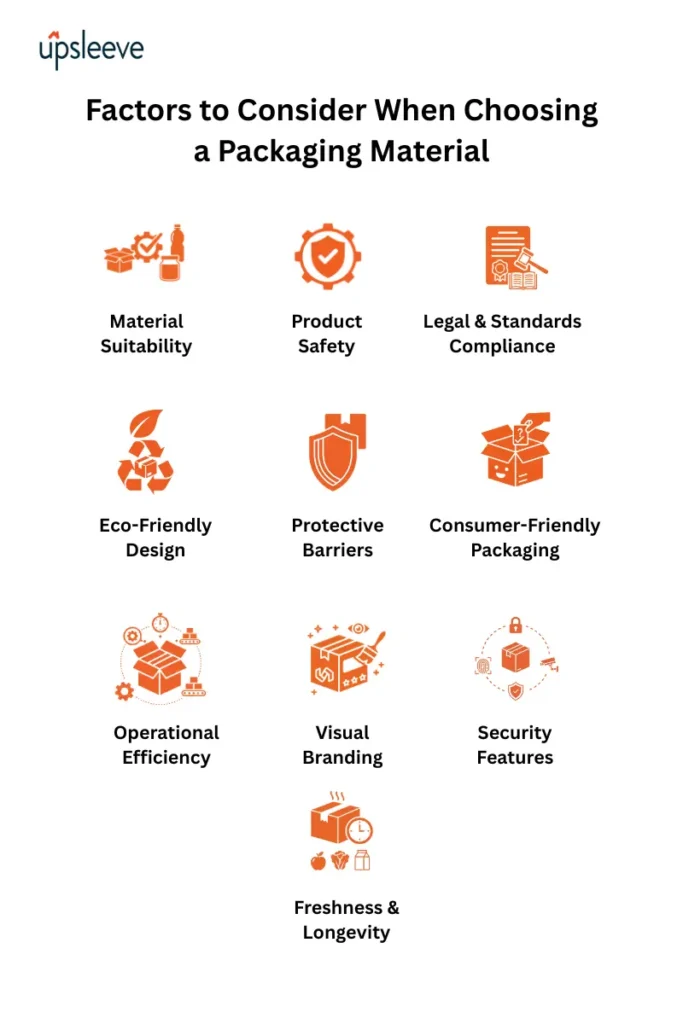
Factors that businesses should consider when choosing packaging include material suitability, product protection, regulatory-compliant packaging, protective barrier features, visual branding, eco-friendly, and operationally efficient packaging.
Material Suitability
Businesses must choose packaging materials such as plastic, glass, metal, paper, or flexible options based on product type, durability needs, weight restrictions, and compatibility with the UAE’s hot and humid climate. The right material helps maintain product integrity by preventing contamination, breakage, or moisture exposure throughout handling and storage.
Proper selection of packaging material also supports safe transport, especially for items traveling long distances through ports, warehouses, and retail networks. Lightweight and cost-effective packaging materials improve efficiency by reducing shipping costs without compromising protection. By aligning packaging material properties with product requirements, companies ensure better performance, safety, and value across the entire supply chain.
Product Safety
Product safety should be a key factor when selecting packaging, as it protects items from physical damage, contamination, tampering, and spoilage during storage, handling, and transportation. Businesses must choose packaging that keeps high-value and perishable items such as food, beverages, and pharmaceuticals intact, fresh, and functional, reducing the risk of recalls or quality complaints. Considering product safety helps companies comply with UAE regulations, safeguard premium products, build consumer trust, and minimise financial losses.
Legal & Standards Compliance
Legal & Standards Compliance is a critical factor to consider when choosing packaging material because packaging must meet national and international laws related to safety, labeling, hygiene, and environmental protection. Food, cosmetics, and pharmaceuticals brands need to follow stricter packaging regulations because the packaging directly affects product quality, shelf life, and consumer protection. Following packaging laws helps these brands avoid penalties, maintain trust, and keep their products available in the market.
Eco-Friendly Design
Eco-friendly design is an important factor to consider when choosing packaging material because it focuses on reducing environmental impact through the use of recyclable, biodegradable, or reusable materials. Businesses in the UAE should shift toward eco-friendly packaging that uses recyclable, reusable, or biodegradable materials to reduce landfill waste and carbon impact. Eco-friendly packaging approach not only protects the environment but also elevates brand reputation and meets the growing expectations set by UAE sustainability initiatives and future regulations.
Protective Barriers
Protective barriers are a key factor because they determine how effectively the packaging shields products from moisture, oxygen, light, dust, and physical damage. Protective barriers in packaging are especially important in the UAE’s hot and humid climate. Layers of protective materials in packaging protect products from heat exposure and high moisture levels that damage goods, reduce shelf life, and affect product quality during transport and storage.
Consumer-Friendly Packaging
Consumer-friendly packaging is an essential factor to consider when choosing packaging material because it focuses on ease of use, handling, and accessibility for end users. Consumer-friendly packaging that is easy to open, resealable, or portion-controlled enhances the consumer experience and satisfaction. Packaging that prioritizes consumer-friendliness enhances satisfaction, encourages repeat purchases, and strengthens product value perception.
Operational Efficiency
Operational efficiency is a key factor because businesses should select packaging that simplifies handling, storage, and transportation while reducing time and labor costs in UAE warehouses and supply chains. Well-designed packaging allows optimal use of warehouse space through uniform shapes and stackable containers.
Visual Branding
Visual branding is a crucial factor when selecting packaging material because it shapes consumer perception and strengthens brand recognition on UAE shelves. Strategic packaging design communicates quality, premium appeal, and product positioning, which influence consumer perception and purchase decisions. Branded packaging strengthens customer trust, differentiates products from competitors, and creates a lasting impression in the marketplace.
Security Features
Security features are an important factor because they protect products from tampering, theft, and counterfeiting. Tamper-proof packaging elements such as seals, holograms, QR codes, or RFID packaging materials prevent theft, counterfeiting, and product tampering. Secure packaging makes sure that high-value items maintain authenticity and protect consumer trust. Strong security measures maintain consumer trust, ensure regulatory compliance, and safeguard brand reputation in the UAE market.
Freshness & Longevity
Freshness and longevity are vital factors because they preserve product quality, taste, and nutritional value over time. Vacuum-sealed packs, oxygen absorbers, and protective coatings maintain product integrity and reduce spoilage. Freshness-preserving packaging, barrier properties, airtight seals, and moisture-resistant materials help maintain freshness and extend shelf life during storage and transportation in the UAE’s hot and humid climate.
Which Packaging Materials Are Eco-Friendly?
Packing materials that are eco-friendly include recyclable and biodegradable paper and cardboard, transparent glass containers, recyclable aluminum and tin, biodegradable plastic, reusable containers, jars, and pouches that reduce single-use waste and support sustainability.
Paper and Cardboard
Packaging made from paper and cardboard is recyclable, biodegradable, and widely used for boxes, cartons, and wraps in the UAE. Paper and cardboard materials provide a sustainable and cost-effective solution, which makes them ideal for the FMCG, food, and retail sectors of the UAE. Brands favor paper and cardboard for their versatility, eco-friendly properties, and ability to maintain product protection while supporting environmentally conscious consumer preferences.
Glass
Packaging made from glass bottles and jars is 100% recyclable and should be reused multiple times. Glass maintains product purity and does not leach chemicals, which supports safety for beverages, cosmetics, and premium FMCG (Fast-Moving Consumer Goods) products. Glass offers durability and a premium packaging, making it a preferred choice for UAE markets seeking sustainable and high-quality packaging solutions.
Metal (Aluminum & Tin)
Packaging made from aluminum and tin is recyclable, very strong, and uses less energy to produce, which helps protect the environment. Aluminum and tin containers provide strong protection against moisture, light, and contamination, making them ideal for food, beverage, and industrial products while maintaining product quality. Recyclability and low environmental footprint (minimal impact on the environment) make aluminum and tin containers a sustainable choice for UAE brands aiming to balance performance with eco-friendly packaging.
Biodegradable Plastics
Biodegradable plastics are plastic materials designed to break down naturally into simpler substances through biological processes under specific environmental conditions. They are used in packaging, disposable items, agricultural films, and food containers to reduce long-term plastic waste. Biodegradable plastics are ideal for disposable items, pouches, and food packaging, which provides functionality while reducing waste. These plastics comply with UAE eco-regulations, which support sustainable practices in the retail and FMCG(Fast-Moving Consumer Goods) sectors.
Flexible Eco-Pouches
Flexible pouches made from recyclable or biodegradable laminates, which offer lightweight and sustainable packaging solutions for snacks, powders, and FMCG products in the UAE. Eco-pouches reduce material usage while maintaining product protection and freshness. The eco-friendly design of eco-pouches supports brand sustainability goals and meets growing consumer demand for environmentally responsible packaging.
Reusable Packaging
Reusable packaging is packaging designed to be used multiple times for the same or different products without significant loss of functionality. It includes containers, jars, bottles, pouches, crates, and reusable bags that are designed for repeated use instead of single-use. These packaging items are commonly made from glass, stainless steel, aluminium, durable plastics such as PP(Polypropylene), silicone, and fabrics like cotton or jute, which provide strength, safety, and long-term usability. Reusable packaging is widely used in food and beverages, FMCG (Fast-Moving Consumer Goods) products, retail storage, logistics, and refill systems.
What Are UAE Packaging Regulations for Businesses?
UAE packaging regulations for businesses require compliance with material safety standards, accurate product labeling, adherence to recycling requirements, and specific packaging rules for each product. The UAE packing regulations specify the types of materials allowed, labeling details, recycling obligations, and product-specific packaging standards that businesses must follow. Packaging rules are particularly strict for FMCG(Fast-Moving Consumer Goods), food, pharmaceutical, and cosmetic products to protect consumer health and ensure legal compliance.
How Can You Choose the Best Packaging Partner in the UAE?
You can choose the best packaging partner in the UAE by evaluating their experience, quality of materials, adherence to UAE regulations, eco-friendly practices, and ability to deliver on time. Always choose a packaging partner that guarantees that your products are protected, compliant, and packaged efficiently for storage, transport, and retail. Hire Upsleeve for high-quality and sustainable packing services to meet your moving and packaging needs across the UAE.
What Is the Best Packaging for Shipping Fragile Items?
The best packaging for shipping fragile items is bubble wrap, corrugated cardboard boxes, packing paper, foam inserts, and strong packing. Proper labeling and clear handling instructions are essential to guarantee careful treatment during transit. Specialized packing techniques combined with sturdy materials help maintain product integrity throughout shipping and delivery.
What Is the Difference Between Sustainable and Traditional Packaging?
The difference between sustainable and traditional packaging lies in their materials and environmental impact. Sustainable packaging uses recyclable, biodegradable, or reusable materials, while traditional packaging relies on plastics or other non-recyclable materials. Sustainable options reduce environmental footprint, enhance brand image, and help businesses comply with UAE regulations by promoting eco-friendly practices.
What Is the Difference Between Reusable and Disposable Packaging?
The difference between reusable and disposable packaging lies in usage and sustainability. Reusable packaging is designed for multiple uses, which helps reduce waste and supports sustainable practices, while disposable packaging is single-use and convenient for immediate consumption. For UAE businesses, reusable options lower long-term environmental impact, whereas disposable packaging reduces upfront costs but contributes more to waste management challenges.
Related Articles
Use a complete moving out checklist to plan, pack, notify utilities, clean, inspect your property, avoid delays, and ensure a smooth, stress-free move.
Learn what relocation means in the UAE, its main types, costs, and a clear step-by-step guide to relocate smoothly with legal, housing, and moving tips.

Discover 12 benefits of hiring professional movers and packers in the UAE, including safe packing, faster moves, cost savings, insurance, and stress-free relocation.
Ready to Move?
Get Your Free Quote
Today
We make moving simple, safe, and stress-free. Our professional team handles everything from packing to delivery with care and precision.
- Professional packing & unpacking services
- Fully insured and licensed movers
- Same-day & next-day availability
- Free, no-obligation estimates
Request a Quote
Fill out the form below and we’ll get back to you as early as possible.