
Learn how much movers cost in the UAE, including pricing factors, apartment size, distance, services included, and tips to plan your moving budget.
Multimodal vs Intermodal Transportation in uae : Key Differences
Last Updated: June 17, 2026
Table of Contents
- What Is Multimodal Transportation in uae?
- What Is Intermodal Transportation in uae?
- What Are the Key Differences Between Multimodal and Intermodal Transportation in uae?
- What Are the Main Multimodal and Intermodal Hubs in the UAE?
- How Do You Choose Between Multimodal and Intermodal Transportation in uae?
- Which UAE Authorities Regulate Multimodal and Intermodal Transportation in uae?
- Ready to Move? Get Your Free Quote Today
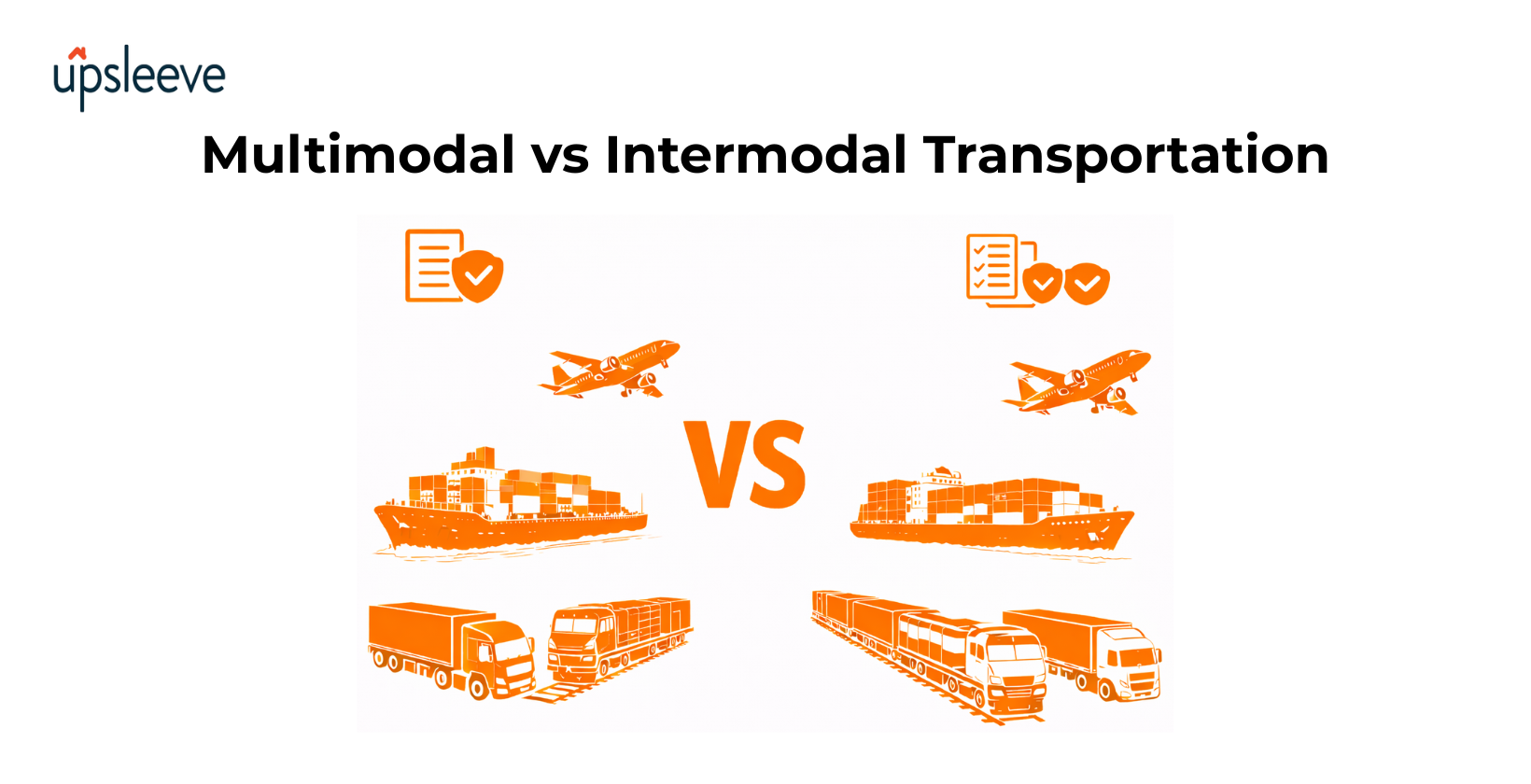
Shipping goods often involves using multiple transportation modes. Multimodal transportation uses a single contract managed by one carrier, who takes responsibility for the entire journey. Intermodal transportation involves multiple carriers operating under separate contracts, with each carrier responsible for a specific leg of the shipment. Shippers, importers, and exporters need to understand this difference between these modes of transportation to optimize costs, manage risk, and make sure timely delivery. Multimodal and intermodal transportation are different in contract structure, carrier involvement, responsibility and liability, documentation and paperwork, logistics management, and cost structure. They also differ in flexibility and control, risk and delay handling, shipment tracking, and ideal use cases.
Multimodal transportation uses a single contract with one carrier (MTO) handling all stages, full liability, simplified documentation, centralized logistics management, streamlined tracking, and a flat through rate. Intermodal transportation involves multiple carriers, each responsible for a segment, requiring separate contracts, shared liability, separate paperwork, active coordination, and multiple tracking systems. Multimodal offers simplicity, centralized control, and reduced risk, while intermodal provides greater flexibility, carrier choice, route options, and overall cost savings and possible transfer delays. The right method of transportation should be chosen depending on shipment size, distance, urgency, budget, and the level of control required.
What Is Multimodal Transportation in uae?
Multimodal transportation in uae is a cargo movement method that uses 2 or more transport modes, such as road, rail, sea, or air, under a single contract. The shipper deals with one agreement, even though multiple carriers or logistics providers participate in moving the goods. A single party, commonly called a multimodal transport operator, holds primary responsibility for the entire shipment. This arrangement simplifies coordination, documentation, and liability by consolidating all transport modes under one contract rather than separate agreements for each leg.
Multimodal transportation in UAE combines sea freight through Jebel Ali Port or Khalifa Port, air freight through Dubai International Airport or Al Maktoum International Airport, rail freight through Etihad Rail, and road freight across the 7 UAE emirates. Jebel Ali Port serves as the primary multimodal gateway in the UAE, connecting directly to Etihad Rail through an intermodal terminal developed with DP World.
Multimodal transport operators manage the entire journey using their own resources or by coordinating with additional carriers where specific transport modes fall outside their direct operations. Freight forwarders organize multimodal transport by using their carrier network, negotiating contracts, and managing the full shipping process without directly carrying the goods. Both arrangements place full shipment responsibility on a single operator, maintaining the single-contract structure that defines multimodal transportation.
What Is Intermodal Transportation in uae?
Intermodal transportation in uae refers to the movement of cargo or freight using multiple modes of transportation, such as road, rail, sea, or air, while working with several different companies. Each transport carrier typically manages one or more stages of the journey, and the shipper signs separate contracts with each provider involved. Intermodal transportation distributes responsibility among all participating companies.
Each carrier remains responsible only for the cargo during its specific stage of transport, including handling, loading, and unloading, without responsibility extending beyond its assigned segment. Managing multiple contracts and coordinating communication with several companies can make planning, tracking, and problem resolution more challenging for the shipper. The intermodal meaning, therefore, centers on using different transportation modes with separate agreements and shared responsibility across multiple carriers.
What Are the Key Differences Between Multimodal and Intermodal Transportation in uae?
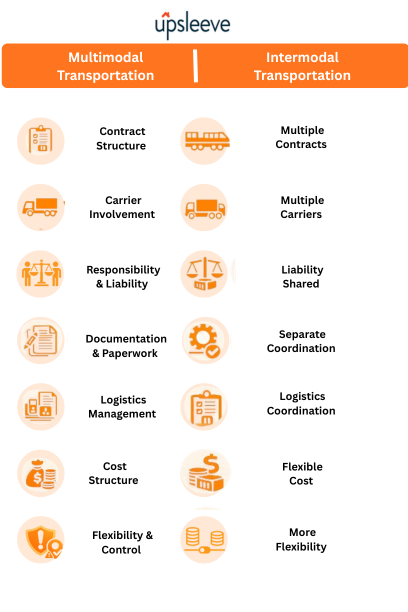
The key differences between multimodal and intermodal transportation in uae lie in their contract structure, carrier involvement, responsibility and liability, documentation and paperwork, logistics management, cost structure, flexibility and control, risk and delay handling, shipment tracking, and ideal use cases. Multimodal transportation operates under a single contract with one carrier managing all stages, providing centralized responsibility, simplified documentation, and streamlined logistics. Intermodal transportation involves multiple carriers and separate contracts, offering greater flexibility and carrier choice but requiring more coordination, shared liability, and active shipment management.
Contract Structure
Multimodal transportation in uae operates under a single contract that covers the entire shipment from origin to final destination. The shipper signs one multimodal contract with a single operator, who then manages all transportation stages and coordinates any additional carriers involved in the process. Intermodal transportation relies on multiple contracts, often referred to as intermodal agreements. The shipper signs separate agreements with each carrier, so each company handles its own portion of transportation independently, which means responsibility and communication are divided among several parties.
Carrier Involvement
Multimodal transportation in uae uses one service provider, known as a multimodal transport operator (MTO). This multimodal carrier manages all transport legs under one agreement. The shipper deals with a single company, and MTO responsibilities include coordinating every stage of the shipment. Intermodal transportation involves multiple independent intermodal transport carriers. Each carrier handles only its specific segment of the journey and operates under separate intermodal agreements. Single and multiple carriers directly impact carrier management in logistics. A single provider simplifies oversight and communication, while multiple carriers require greater coordination and more active management from the shipper.
Responsibility and Liability
Multimodal transportation in uae assigns full responsibility to the MTO, which manages the shipment across all transport stages. The MTO handles all liability, claims, and risk management, so the shipper only deals with one party for any issues or damages.
Intermodal transportation spreads responsibility across multiple carriers, with each carrier liable only for its segment of the journey. This makes transport carrier liability and cargo insurance responsibilities more complex, as the shipper must coordinate with several parties for claims and risk management.
Documentation and Paperwork
Multimodal transportation in uae requires a single bill of lading and minimal documentation. Multimodal documentation simplifies the transport documentation process, allowing the shipper to manage the entire shipment under one set of papers.
Intermodal transportation needs separate documents for each carrier and each leg of the journey. Intermodal paperwork involves multiple bills of lading and additional forms, making shipment document management more complex and requiring careful coordination between carriers.
UAE documentation requirements differ between multimodal and intermodal shipments at the customs clearance stage. Licensed freight forwarders issue the FIATA Negotiable Multimodal Transport Bill of Lading (FIATA FBL) as the single covering document for multimodal shipments, replacing all mode-specific paperwork with one file. Dubai Customs processes multimodal declarations through the Mirsal 2 system, while Abu Dhabi Customs handles declarations for Abu Dhabi-bound shipments through its own clearance platform. Intermodal shipments crossing the same UAE routes require 3 separate transport documents that include an ocean bill of lading for the sea leg, an air waybill for the air leg, and a CMR consignment note for the road leg.
Planning a Move? Let the Experts Handle It
From home moves to office relocations, our professional movers ensure safe packing, timely transport, and stress-free moving. Get expert help today.
Get a Free Moving QuoteLogistics Management
Multimodal transportation in uae relies on the MTO to handle shipment planning, routing, customs, and terminal operations. Multimodal logistics centralizes control, simplifying shipment planning and management for the shipper.
Intermodal transportation requires the shipper to coordinate between multiple carriers, manage schedules, and handle delays. Intermodal coordination increases the complexity of logistics operations and requires more active involvement in managing shipments.
Cost Structure
Multimodal transportation in uae usually offers a flat through rate, covering the entire shipment. This makes budgeting simpler and can reduce overall costs. Intermodal transportation may have lower rates for each leg, but separate intermodal shipping rates require more management and coordination. This type of transportation can reduce costs per segment, but managing multiple contracts and handling stages makes overall budget planning more complex.
UAE tax and duty rules directly affect the total cost structure of both multimodal and intermodal shipments. Freight and logistics services in the UAE attract 5% VAT under Federal Tax Authority rules, and mainland imports carry a 5% customs duty on the CIF value. Shipments routed through free zones such as JAFZA, DAFZA, or KIZAD avoid both duty and VAT until the cargo enters the UAE mainland, reducing the upfront landed cost for businesses using free zone distribution.
Flexibility and Control
Multimodal transportation in uae provides less control over carrier choice and transport routes. Multimodal flexibility is limited because the MTO manages all planning and routing. Intermodal transportation offers higher flexibility, allowing shippers to select carriers, routes, and consolidate shipments. Intermodal shipment control gives more options for transport route planning and carrier choice logistics.
Risk and Delay Handling
Multimodal transportation in uae lets the MTO manage delays internally to provide faster handoffs and consistent cargo disruption handling. Managing delays in multimodal transportation makes shipment contingency planning easier for the shipper by keeping responsibility with a single provider. Intermodal transportation requires the shipper to handle disruptions across multiple carriers. Intermodal shipment risk is higher due to potential delays at transfer points, making transport delay solutions and coordination more complex.
UAE routing rules introduce specific delay and risk factors for both multimodal and intermodal shipments that differ from international norms. Cross-border freight and free-zone to mainland cargo in the UAE travels under customs seal on bonded trucks, and any unsealed deviation triggers customs penalties and shipment delays at transfer points. The Bonded Rail Corridor between Khalifa Port and Fujairah Terminals reduces these clearance risks by allowing Dubai Customs and the Federal Customs Authority to begin processing declarations before the cargo reaches its destination terminal. This pre-arrival clearance shortens port dwell time at both Khalifa Port and Fujairah Terminals, reducing the risk of customs-related delays for UAE multimodal and intermodal shippers.
Shipment Tracking
Multimodal transportation in uae provides efficient shipment tracking through the MTO’s system, offering real-time shipment visibility and simplified cargo monitoring logistics. Multimodal shipment tracking keeps all information centralized for the shipper. Intermodal transportation is more complex, as multiple carriers use different tracking systems. Intermodal tracking systems require the shipper to coordinate updates across carriers, making transport tracking solutions and real-time visibility harder to manage.
Ideal For
Multimodal transportation in uae works best for complex or international shipments needing efficiency and a single point of accountability. It combines road, rail, air, and sea under one contract, optimizing cost, time, and tracking. Key uses of multimodal transportation include cross-border logistics, high-volume or heavy cargo, perishable or time-sensitive goods, and coordinated urban or intermodal delivery. Intermodal transportation suits long-distance, high-volume, non-urgent shipments over 700 miles. It is ideal for bulk or containerized goods, offering cost savings and predictable schedules. Key uses of intermodal transportation include long-haul freight, heavy cargo, sustainable logistics, and international or inter-regional trade.
What Are the Main Multimodal and Intermodal Hubs in the UAE?
The main multimodal and intermodal hubs in UAE are Jebel Ali Port, Khalifa Port, Al Maktoum International Airport (DWC), and the free zones adjacent to these gateways. Jebel Ali Free Zone (JAFZA) sits next to Jebel Ali Port, offering duty-suspended handling for transit cargo moving through the hub. Khalifa Industrial Zone Abu Dhabi (KIZAD) adjoins Khalifa Port and connects directly to Etihad Rail, supporting multimodal transfers between sea and rail freight. Dubai South and Dubai Multi Commodities Centre (DMCC) support onward cargo distribution through the Dubai Logistics Corridor, which links Al Maktoum International Airport to Jebel Ali Port as a single customs-bonded zone. Cargo entering these free zone hubs defers customs duty and VAT until it crosses into the UAE mainland.
How Do You Choose Between Multimodal and Intermodal Transportation in uae?
You can choose between multimodal and intermodal transportation in uae based on priorities like cost, flexibility, responsibility, and management involvement. Multimodal transportation suits shippers who prefer a single carrier handling all legs, centralized responsibility, and simpler documentation, making shipment management easier and more predictable.
You can choose intermodal transportation if you want more control over carriers, routes, and shipment consolidation. It offers higher flexibility but requires managing multiple contracts, coordinating between carriers, and handling potential delays. The intermodal vs multimodal decision depends on whether simplicity or control is more important.
Which UAE Authorities Regulate Multimodal and Intermodal Transportation in uae?
The UAE authorities that regulate multimodal and intermodal transportation in uae are the Ministry of Energy and Infrastructure, Dubai Customs, Abu Dhabi Customs, and the Federal Customs Authority. The Ministry of Energy and Infrastructure oversees federal land and maritime transport policy following the merger of the former Federal Transport Authority into its structure. Dubai Customs regulates customs declarations and clearance for multimodal and intermodal shipments entering or leaving Dubai, processing all declarations through the Mirsal 2 electronic declaration system. Abu Dhabi Customs handles customs clearance for shipments processed through Khalifa Port and Abu Dhabi airport gateways. The Federal Customs Authority sets unified customs policy and coordinates cross-border freight rules across all 7 emirates. DP World regulates tariffs and operations at Jebel Ali Port and Mina Rashid as the port operator. Etihad Rail operates the national freight rail network under Federal Law No. 2 of 2009, connecting UAE ports and industrial zones for multimodal rail transfers.
What Are the Benefits of Multimodal Transportation?
The benefits of multimodal transportation are given below.
- Reduced Costs: Multiple transport modes can be combined under a single contract, which lowers overall shipping expenses and optimizes resource use.
- Reduced Delivery Time: Coordinated planning and faster handoffs between modes help speed up shipments, ideal for time-critical shipments.
- Centralized Responsibility: MTO assumes full liability and manages all transport legs, simplifying accountability for the shipper.
- Optimization of Freight Transportation: Multimodal logistics allow carriers to choose the most efficient combination of modes, routes, and schedules.
- Cargo Safety: Consistent oversight by a single operator reduces the risk of damage or loss during transfers.
- Simplified Documentation: One bill of lading and minimal paperwork streamline the transport documentation process.
- Efficient Shipment Tracking: Centralized tracking systems provide real-time visibility across all legs, making cargo monitoring logistics easier.
What Are the Benefits of Intermodal Transportation?
The benefits of intermodal transportation are given below.
- Flexibility and Savings: Shippers can select the most cost-effective combination of transport modes for each leg, optimizing overall shipping expenses.
- Choice of Carrier: Intermodal allows selecting carriers for each segment, giving more control over service quality and schedules.
- Reduced Carbon Footprint: Rail or sea for long-distance legs lowers fuel consumption and emissions, supporting environmental considerations.
- Cargo Safety: Handling is limited to specialized carriers for each leg, reducing the risk of damage during transport.
- Transit Schedule Control: Shippers can plan schedules for each leg, providing better control over delivery timing.
- Route Flexibility: Multiple routing options allow shippers to bypass congested areas or adjust for regional transport conditions.
What Are the Main Types of Intermodal Transportation?
The main types of intermodal transportation are Container-On-Flat-Car (COFC) and Trailer-On-Flat-Car (TOFC). Container-On-Flat-Car (COFC) is used to transport multiple containers simultaneously on specialized well cars. This method reduces labor, improves handling efficiency, and provides a cost-effective solution for long-distance bulk shipments.
Trailer-On-Flat-Car (TOFC) allows semi-trailers to be carried on flatcars over long distances. TOFC offers flexibility and affordability for truckload transfers, combining road and rail transport to optimize routes and reduce shipping costs.
What Are the Types of Multimodal Transport?
The types of multimodal transport are sea-road, sea-rail-road, air-road, and rail-road combinations. These involve using two or more transport modes under a single contract and a single carrier (MTO) to move goods efficiently from origin to destination. Each type of multimodal transport is selected based on cost efficiency, distance, cargo type, and delivery speed. The MTO manages all stages of transportation to make sure centralized responsibility, simplified documentation, and a streamlined multimodal shipping solution.
What are the 4 Types of Transportation?
The 4 types of transportation are given below.
- Road Transportation: Uses trucks, vans, or other vehicles to move goods over short to medium distances. It offers flexibility, door-to-door service, and easy route adjustments.
- Rail Transportation: Moves cargo via trains over long distances, ideal for bulk goods and heavy shipments. It is cost-effective and environmentally friendly compared to road transport. Etihad Rail in the UAE operates the national freight rail network and connects Jebel Ali Port, Khalifa Port, Dubai Industrial City, the Industrial City of Abu Dhabi, and Fujairah Port.
- Air Transportation: Utilizes airplanes to deliver goods quickly over long distances. Best for time-sensitive, high-value, or perishable cargo, though costs are higher. Air freight in the UAE operates through Dubai International Airport, Al Maktoum International Airport at Dubai World Central, Abu Dhabi International Airport, and Sharjah International Airport.
Sea (Maritime) Transportation: Involves shipping goods via ships and vessels over oceans or large water bodies. It is efficient for large-volume international shipments but slower than air transport.
Related Articles

Use a complete moving out checklist to plan, pack, notify utilities, clean, inspect your property, avoid delays, and ensure a smooth, stress-free move.
Learn what relocation means in the UAE, its main types, costs, and a clear step-by-step guide to relocate smoothly with legal, housing, and moving tips.

Discover 12 benefits of hiring professional movers and packers in the UAE, including safe packing, faster moves, cost savings, insurance, and stress-free relocation.
Ready to Move?
Get Your Free Quote
Today
We make moving simple, safe, and stress-free. Our professional team handles everything from packing to delivery with care and precision.
- Professional packing & unpacking services
- Fully insured and licensed movers
- Same-day & next-day availability
- Free, no-obligation estimates
Request a Quote
Fill out the form below and we’ll get back to you as early as possible.