
Learn how much movers cost in the UAE, including pricing factors, apartment size, distance, services included, and tips to plan your moving budget.
Moving Insurance: What It Is and How It Works in the UAE
Last Updated: March 27, 2026
Moving insurance provides financial protection for your belongings throughout the relocation process. This insurance safeguards your items against loss, damage, or theft, giving you peace of mind while they are packed, transported, and delivered to your new home. This moving insurance coverage is important because it protects your possessions from financial loss due to damage, theft, or loss during packing, transport, and unloading.
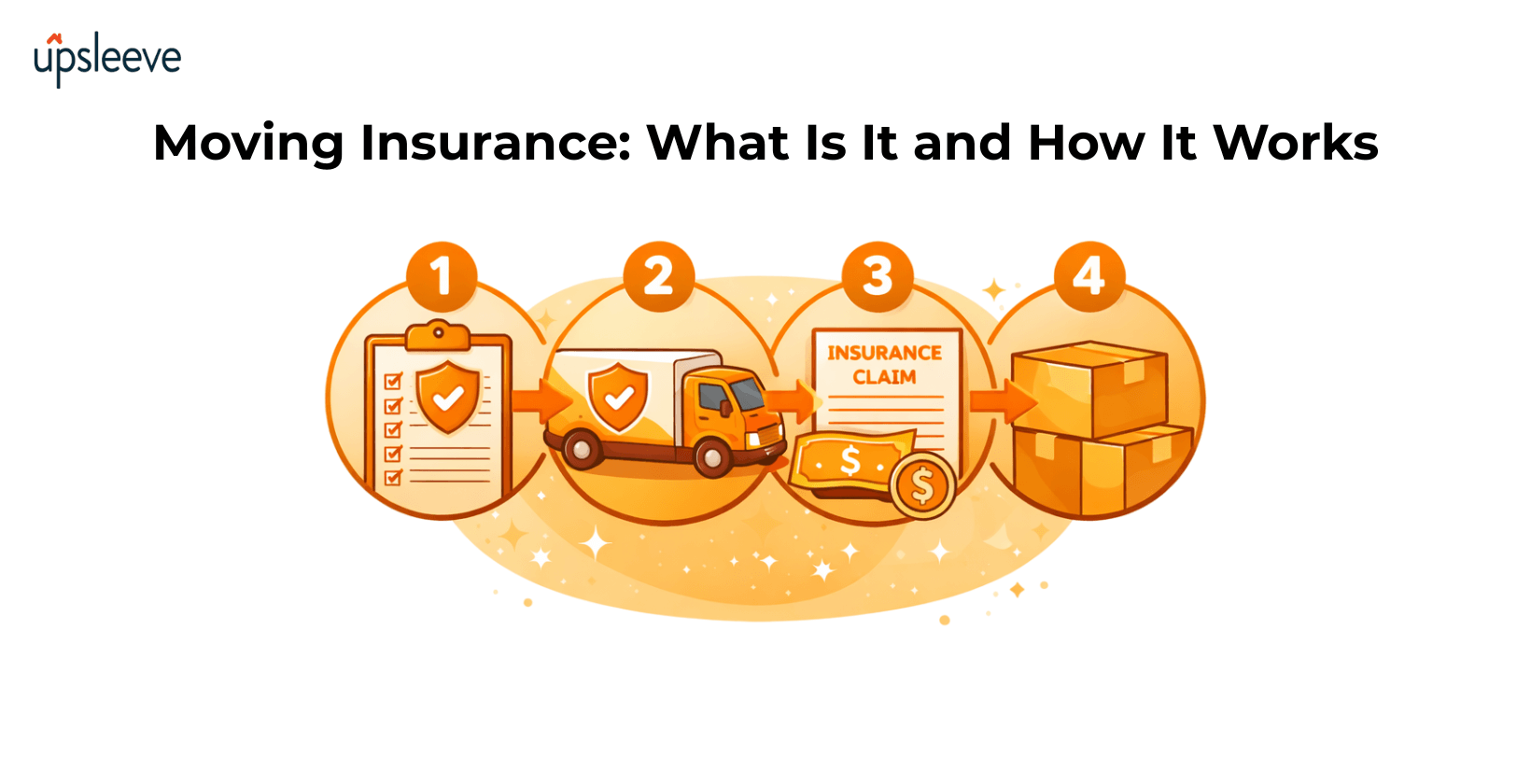
Assess your belongings by reviewing their value and fragility to determine the right coverage type, while noting items that may require extra protection or declared value. Once the move begins, coverage is active through packing, loading, transit, temporary storage, and unloading. You file a claim with supporting documents such as photos, receipts, or item descriptions, and compensation is provided according to the policy through repair, replacement, or cash reimbursement if any loss or damage occurs.
Moving insurance provides different options to provide the right protection for your belongings. The main types include transit insurance, comprehensive moving insurance, shipment loss insurance, third-party liability insurance, and personal belongings insurance, for your specific risks and needs.
What is Moving Insurance?
Moving insurance is a type of insurance coverage that protects your belongings against loss or damage during a move to give you peace of mind during the relocation process. It provides financial compensation if items are broken, lost, or stolen while being packed, transported, or stored. This insurance can be offered as basic liability coverage included with the moving service or as optional upgraded protection for high-value or fragile items such as artwork, antiques, designer furniture, and electronics.
How Does Moving Insurance Work?
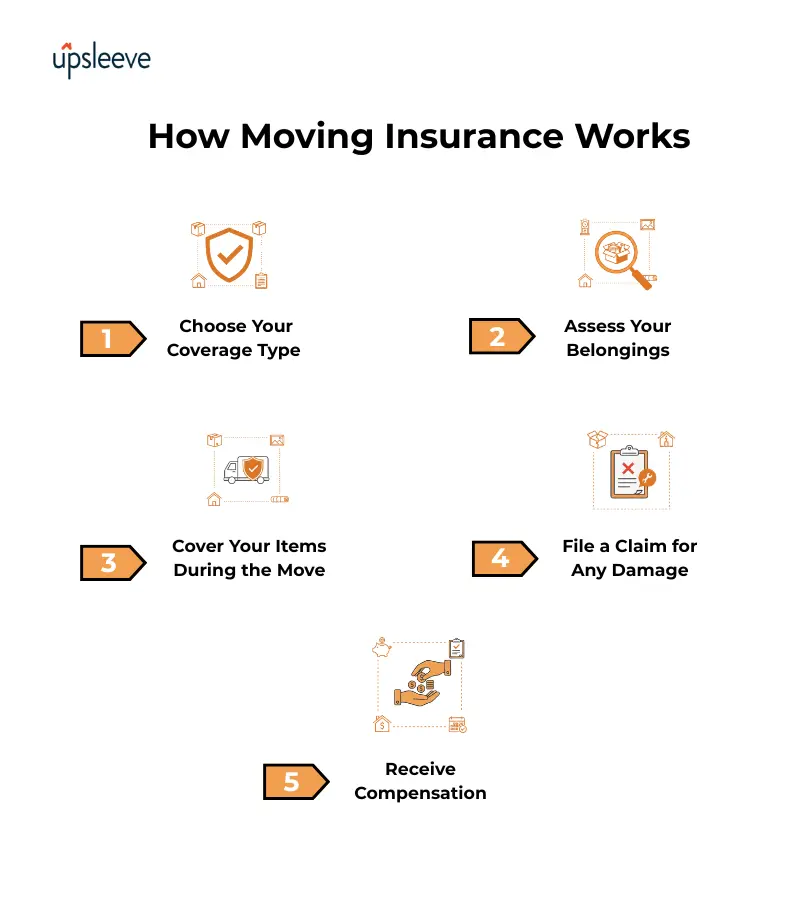
Moving insurance works by protecting your belongings during a move and providing financial coverage for loss or damage. Choose your coverage type and assess your items for value and risk during your relocation. Your belongings are then covered during packing, transit, and unloading, and if any damage occurs, you file a claim and receive compensation according to your selected insurance policy.
1. Choose Your Coverage Type
Select the insurance or valuation option that best fits your move by considering your items’ value, fragility, and risk level. You have to choose between different coverage types like full value protection, which covers repair or replacement of damaged items, liability coverage, which provides limited compensation based on weight or item type, and released value, which offers minimal protection by the mover’s standard terms. This selection helps distinguish how much protection and compensation you will receive in case of loss or damage during packing, loading, transit, and unloading.
2. Assess Your Belongings
Go through your belongings and identify the items that need extra protection during the move. High-value pieces such as electronics, jewelry, antiques, and artwork should be identified so you can choose the appropriate insurance or valuation option for them. Item assessment also helps you understand coverage differences before the move, which makes it easier to decide whether you need full value protection, basic liability, or additional item-specific coverage.
3. Cover Your Items During the Move
Cover your items during the move by activating insurance as soon as the relocation process begins, either through your moving company or a third-party provider. Confirm the start date with the insurer, list all items on the policy, and keep documentation of their condition before the move. The insurance applies while movers lift, transport, store temporarily, or unload your belongings.
4. File a Claim for Any Damage
File a claim for any damage by promptly notifying the moving company upon discovering the issue and documenting the condition of the affected belongings within the required timeline. A detailed claim should include photos, receipts, item descriptions, and any supporting evidence to help verify the loss.
5. Receive Compensation
Receive this compensation by submitting any required claim forms, providing supporting documentation, and following up with the insurer until the payment or reimbursement is processed. The compensation may cover repair costs, replacement value, or a cash payout depending on your coverage type.
Planning a Move? Let the Experts Handle It
From home moves to office relocations, our professional movers ensure safe packing, timely transport, and stress-free moving. Get expert help today.
Get a Free Moving QuoteWhat Types of Insurance Coverage are Available for Moving in the UAE?
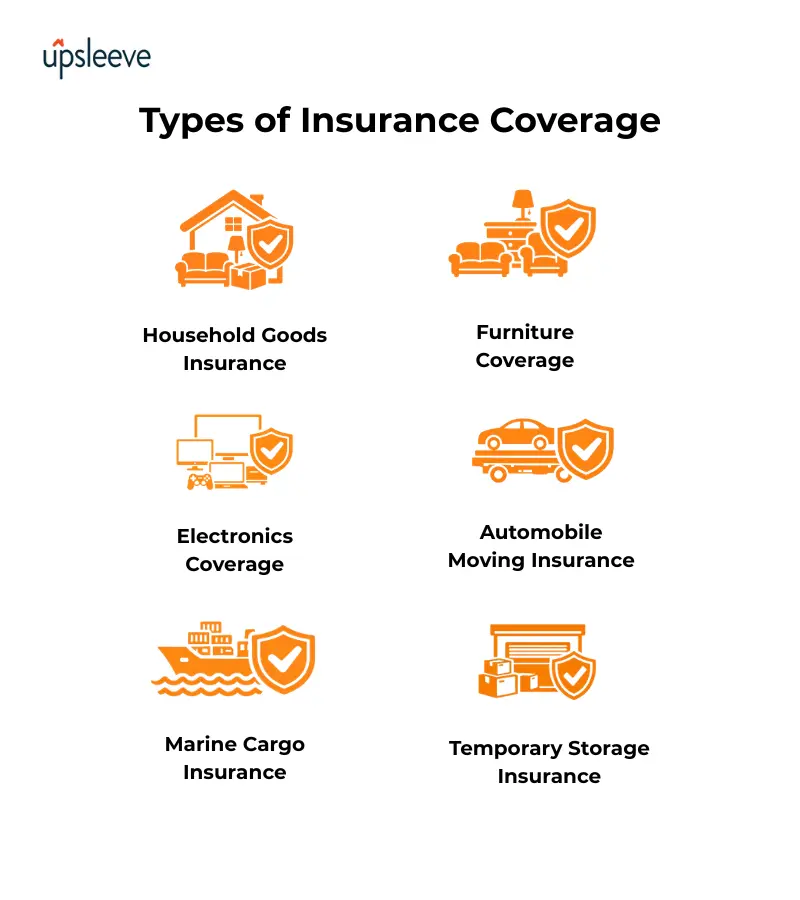
The types of insurance coverage available for moving in the UAE include transit insurance, comprehensive moving insurance, shipment loss insurance, third-party insurance, and personal belongings insurance.
Transit Insurance
Transit insurance provides coverage for goods while they are being transported, whether by road, air, or sea. This type of protection also applies during loading and unloading, to safeguard items from damage at key handling stages. It is essential to review policy details before the move because coverage is limited to specific listed risks such as fire, theft, collision, or transport-related accidents, which makes.
Comprehensive Moving Insurance
Comprehensive moving insurance provides full protection for belongings like electronics, furniture, artwork, and appliances that may be lost, broken, or damaged at any point during the move. The insurance policy covers every stage of the move, professional packing at your home, lifting and handling by movers, transportation by truck, and unloading and setup at the new location. This higher-level insurance costs a bit more, but it protects fragile or valuable items with stronger compensation options and reliable safety overall.
Shipment Loss Insurance
Shipment loss insurance provides coverage only when an entire shipment is lost or destroyed during the move. It offers protection for rare but severe incidents such as fires, major transport accidents, or complete misrouting. Your coverage claims are approved only if the whole cargo is gone, as this type of policy does not cover partial damage. This shipment lost coverage is suitable for high-risk, long-distance, or international moves because it aligns with carrier liability or cargo insurance standards used by freight forwarders.
Third-Party Insurance
Third-party insurance involves coverage provided by an independent insurance company to protect against damages caused by movers to other people or property during the relocation process. This type of insurance ensures that any harm to building walls, elevators, hallways, or neighboring units is financially covered by the third-party provider. This type of liability coverage protects against bodily injuries to people or damage to someone else’s property that occurs during the moving process.
Personal Belongings Insurance
Personal belongings insurance covers items inside your home before and after the move to protect furniture, electronics, clothing, and valuables beyond moving day. This type of coverage also includes protection against accidental damage, theft, and fire to give your household items continued protection while you transition into your new space.
How Much Does Moving Insurance Cost in the UAE?
The moving insurance cost in the UAE typically ranges from AED 200 to AED 1,000+. This cost of moving insurance depends on the value of your belongings, the type of coverage chosen, and the level of protection required. Basic liability coverage usually falls at the lower end, while comprehensive or high-value item coverage can increase the price.
Which Kind of Moving Insurance is the Best?
Comprehensive moving insurance is the best kind of moving insurance. This coverage safeguards your belongings during every stage of the move, from packing and loading to transit and unloading, making it the most reliable option for full-value protection.
Which Moving Insurance Is the Most Affordable?
The most affordable moving insurance option is basic liability coverage, which moving companies often provide at no extra cost. This type of coverage offers minimal protection by compensating you based on a fixed rate per pound (not the item’s actual value). It is a budget-friendly choice if you’re moving low-value or durable items and don’t need full replacement protection.
What is the Difference Between Local and International Moving Insurance?
The difference between local and international moving insurance is the scope of coverage. Local insurance focuses on domestic transit, typically via road, and covers damage or loss during loading, transport, and unloading within the country. International insurance accounts for cross-border transit, like road, sea, and air freight, and offers broader protection due to higher risks. It also involves additional documentation, customs requirements, and compliance with legal regulations, which can affect coverage terms and claims processes compared to domestic moves.
What Risk Factors are Involved in Insurance Coverage?
Risk factors in moving insurance include long-distance travel, fragile or high-value items, and the conditions under which belongings are packed, loaded, and unloaded. These factors increase the likelihood of damage or loss, which insurers consider when determining coverage requirements and premiums. Transport-related risks such as road accidents, air turbulence impacts, and sea container shifting can increase the chances of damage or loss and influence the type and cost of insurance needed.
How to File a Moving Insurance Claim for Lost or Damaged Items?
To file a moving insurance claim for lost or damaged items, follow the steps given below.
- Document the Damage or Loss: Take clear photos and videos, record item details, and gather receipts or valuation proofs to verify the condition of the lost or damaged item.
- Notify the Moving Company Immediately: Report the issue to the moving company within the policy’s required time frame to activate your coverage rights.
- Submit the Claim Form: Fill out the official claim document with item descriptions, damage notes, and estimated value.
- Attach Required Evidence: Include photos, inventory checklists, receipts, and condition reports to support your claim for lost or damaged items during the move.
- Send the Claim to the Insurer: Submit all documents through the designated email or portal to the moving company’s insurance provider for review so they can process compensation for your lost or damaged items.
- Cooperate With Inspections: Allow the insurer or mover to verify the damage through an on-site or virtual assessment.
- Await Claim Decision: Let the insurer evaluate the evidence and determine eligibility for compensation based on your coverage terms.
- Receive Compensation: Accept reimbursement through repair coverage, item replacement, or monetary payout once the claim is approved.
Related Articles
Use a complete moving out checklist to plan, pack, notify utilities, clean, inspect your property, avoid delays, and ensure a smooth, stress-free move.
Learn what relocation means in the UAE, its main types, costs, and a clear step-by-step guide to relocate smoothly with legal, housing, and moving tips.

Discover 12 benefits of hiring professional movers and packers in the UAE, including safe packing, faster moves, cost savings, insurance, and stress-free relocation.
Ready to Move?
Get Your Free Quote
Today
We make moving simple, safe, and stress-free. Our professional team handles everything from packing to delivery with care and precision.
- Professional packing & unpacking services
- Fully insured and licensed movers
- Same-day & next-day availability
- Free, no-obligation estimates
Request a Quote
Fill out the form below and we’ll get back to you as early as possible.