

Learn how much movers cost in the UAE, including pricing factors, apartment size, distance, services included, and tips to plan your moving budget.
Apartment Moving Checklist in the UAE: Tips for Moving in and Out
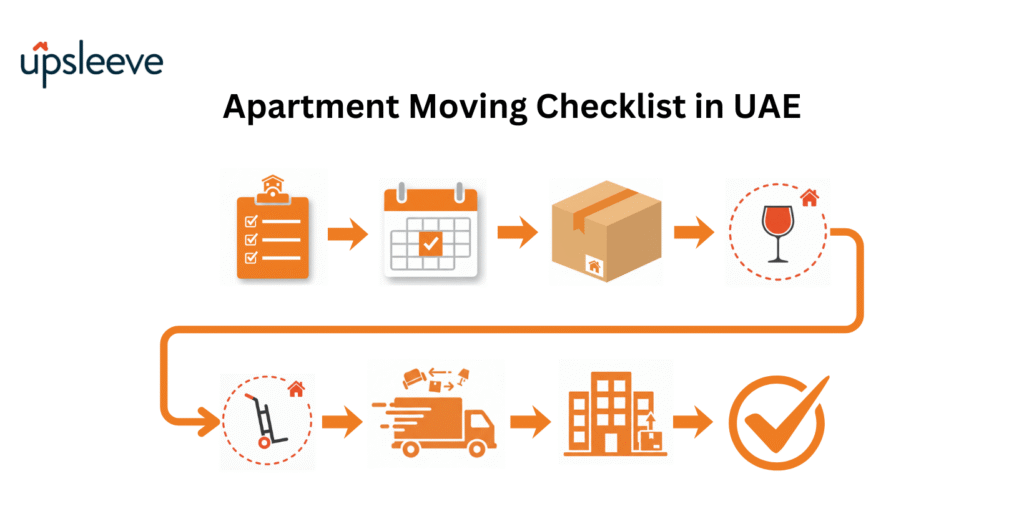
Table of Contents
- 8 Weeks Before Moving
- 6 Weeks Before Moving
- Plan Around UAE Summer Heat and Ramadan
- 4 Weeks Before Moving
- 2 Weeks Before Moving
- Book the Service Lift and Pay the Building Deposit
- 1 Week Before Moving
- Moving Day
- After the Move
- What Essentials Do I Need for My First Apartment After Moving?
- Ready to Move? Get Your Free Quote Today
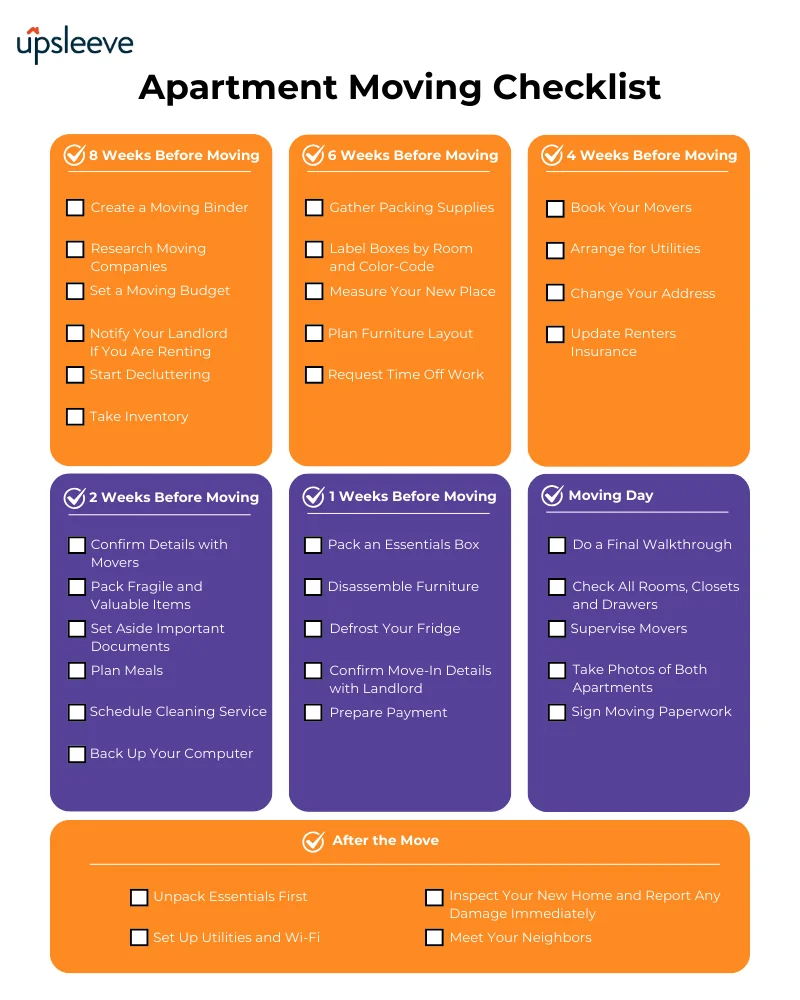
Apartment moving checklists in the UAE cover preparations across several weeks, including researching movers, setting a budget, notifying your landlord, decluttering, taking inventory, confirming moving details, packing valuables, and securing important documents. Start preparations at least 8 weeks before the move by creating a moving binder, researching movers, setting a budget, and decluttering belongings. Gather packing supplies, label boxes, plan furniture layout, and request time off work to support a smooth relocation.
Book movers, arrange utilities, change your address, and update renters’ insurance at least 4 weeks before the move. Confirm mover details, pack fragile and valuable items, secure important documents, plan meals, schedule cleaning, and back up your computer 2 weeks before move day.
Apartment communities across the UAE follow move-in rules set by each master developer and building management team. Dubai apartment communities such as Dubai Marina, Downtown Dubai, Jumeirah Lake Towers, Business Bay, Jumeirah Village Circle, Al Barsha, Bur Dubai, Deira, and Dubai Hills operate under developer-specific portals run by Emaar, Nakheel, Dubai Properties, or DAMAC. Abu Dhabi and Sharjah apartments follow emirate-level rules. Confirm the exact process tied to your tower with building management and your mover before the scheduled move date.
In your final week before moving, make sure you pack your daily essentials, disassemble any furniture you’re taking with you, defrost your fridge, confirm move-in details with your landlord, and prepare any payments needed for moving day. When the actual moving day arrives, do a complete walkthrough of your apartment, check every room, supervise the movers, take photos of both your old and new apartments, and sign the moving paperwork.
Once you are settled into your new place, start by unpacking essential items, setting up your utilities and Wi-Fi, inspecting the home for any damage, and introducing yourself to your neighbors. Following this simple, week-by-week structure helps you stay organized, avoid last-minute stress, and make sure nothing important is overlooked before, during, or after your apartment move.
8 Weeks Before Moving
Get organized 8 weeks before moving by creating a moving binder, researching different moving companies, setting a moving budget with a contingency fund, notifying your landlord if renting an apartment, and taking an inventory to stay prepared.
Create a Moving Binder
Create your moving binder that keeps all your key documents organized, including moving company contracts, receipts, cost estimates, and your lease or sale papers. You can track tasks using labeled folders and checklists in a moving binder for elevator bookings, utility updates, inspection dates, and final payments. Use a physical binder by printing, labeling, and sorting all documents into sections for quick access on moving day. I will recommend using a digital binder by scanning files, organizing them in apps, and saving them in cloud storage for easy retrieval.
Research Moving Companies
Research different moving companies early to identify which ones best fit your needs. Then, compare movers based on services such as packing, storage, or specialty handling. You can check the reputation of each company by reading customer feedback, ratings, and recent service experiences. Review their pricing to understand what is included in the moving costs and select the option that matches your budget.
Set a Moving Budget
Set your moving budget by breaking down moving costs for packing, transportation, and extra services. Include a contingency fund for unexpected moving expenses such as extra packing materials, elevator fees, or last-minute moving schedule changes. You can track your moving spending using budget planners, apps, or spreadsheets to stay organized and avoid overspending. You can save money by moving during off-peak times and reusing boxes or collecting them for free from local stores.
Notify Your Landlord If You Are Renting
Notify your landlord if you are renting the apartment to confirm your move-out date and follow the lease agreement requirements. You should provide written notice on time to meet legal requirements and avoid penalties.
Request a written Landlord No Objection Certificate (NOC) at least 2 weeks before the move date. The landlord NOC is a written or digital consent confirming that the tenant is authorised to move in or out of the unit. Most building management teams treat it as a prerequisite for issuing the Move-In Permit or Move-Out Permit. A landlord with unpaid service charges blocks the permit from being issued, so confirm the service charge status before requesting the NOC.
A final inspection can then be scheduled to document the apartment’s condition and identify any repairs needed to secure your full security deposit. You can complete or arrange those repairs to ensure the apartment is left in good condition and the deposit return is smooth.
Start Decluttering
Start decluttering your belongings by sorting items into “keep, donate, sell, or recycle” piles to quickly decide what you really need. Another decluttering method is the “four-box method” where each box represents a category to help you stay organized. We will recommend that you work in one room at a time to make the process manageable. Sell old items that are in good condition, donate usable ones, and recycle anything broken or unwanted in your apartment to lighten your load.
Take Inventory
Take inventory of all your belongings to know exactly what you are moving and keep track of items throughout the moving process. You can efficiently organize and record your items by labelling them and using inventory management tools like spreadsheets, apps or simple checklists. Labeling boxes and items clearly help quickly identify packed contents at a glance. .
Planning a Move? Let the Experts Handle It
From home moves to office relocations, our professional movers ensure safe packing, timely transport, and stress-free moving. Get expert help today.
Get a Free Moving Quote6 Weeks Before Moving
You can begin your 6-week before moving preparations once you’ve completed your 8-week before moving checklist. At this stage, you should gather packing supplies, label boxes by room and color, measure your new apartment, arrange furniture layout, and request time off work.
Gather Packing Supplies
You can start gathering packing supplies to get everything ready before you begin packing. Collect materials like boxes, bubble wrap, packing paper, tape, and markers for labeling. You should source packing supplies from moving companies, local stores, or even find free boxes from supermarkets and online community groups. Having all packing supplies organized in advance makes packing faster and more efficient.
Label Boxes by Room and Color-Code
You can label boxes by the room they belong to and consider using a color-coded system to make unpacking easier. I will recommend using markers, stickers, or printed labels to indicate contents and destination rooms clearly. Combine room-based labeling with colors to help movers and family members quickly identify where each box should go. You can keep a master list of all boxes and their labels to track items and prevent confusion during your move.
Measure Your New Place
Measure your new place accurately by noting room dimensions, doorways, hallways, elevators, windows, and ceiling heights. You can use tools like tape measures, laser measuring devices, and measuring apps to record length, width, height, and clearance space for every entry point and room. I will recommend measuring your large appliances and heavy furniture separately by checking their height, width, depth, and turning radius because these items usually create fitting issues. You can plan all measurements ahead of time to avoid delays and ensure everything moves in smoothly without damage.
Plan Furniture Layout
You can plan your furniture layout room by room and decide where beds, sofas, and other large pieces will go to allow for easy movement and practical use of each space. Use digital tools like room-planning apps or printed floor plans to visualize the furniture arrangement at your destination before moving. Consider both function and aesthetics to ensure each space is easy to use and visually appealing. You can take natural light and walking paths into account to create a comfortable and well-organized home.
Request Time Off Work
You can request time off at your workplace six weeks in advance to secure your preferred moving dates and aim for mid-week moves to reduce moving costs. Coordinate with your employer by giving proper written notice and arranging task coverage if needed. You can have a backup plan, such as flex time or remote work, in case your move takes longer than expected.
Plan Around UAE Summer Heat and Ramadan
UAE weather and the religious calendar directly affect apartment moving timelines. Summer months from June to September bring high outdoor temperatures that slow crew pace, weaken cardboard packaging, and risk heat damage to electronics, artwork, candles, and perfumes. Book early-morning or evening moving slots during summer to avoid peak heat exposure. Ramadan shortens working hours across the UAE, so schedule the bulk of the move outside iftar time and expect reduced afternoon activity. Friday prayer timings and building-specific rules restrict mover activity during certain midday windows, so confirm allowed move hours with building management before the scheduled move date.
4 Weeks Before Moving
You can start your 4-week before moving preparations after completing your 6-week before moving checklist. At this stage, make your move smoother by booking your movers, arranging utilities at your new place, updating your address with the UAE portal, and updating your renters’ insurance with your new move-in location details.
Book Your Movers
Book your Movers and Packers at least 4 to 6 weeks in advance for local moves and 6 to 8 weeks in advance for long-distance moves. Upsleeve Movers and Packers handle packing, loading, transportation, unloading, and unpacking as part of a structured moving process. Compare quotes from 2 to 3 movers to understand the full cost of each service, including hidden fees and additional charges, before confirming a booking.
Commercial moving trucks operating in Dubai fall under the Roads and Transport Authority (RTA), which regulates goods transport activity in the emirate. Confirm with your mover that the assigned vehicle holds RTA registration for commercial goods transport, as loading-bay access times and truck entry into gated communities depend on RTA compliance. Request the truck registration details ahead of move day so building security receives advance notification.
Arrange for Utilities
Transfer electricity, gas, water, internet, and cable services to your new address before move day to avoid interruptions. Coordinate with providers on activation dates, availability confirmation, and any required deposits. Cancel old services in advance to avoid overlap or double billing. Take final meter readings at the old address to ensure accurate billing before vacating.
UAE utility providers vary by emirate. DEWA serves Dubai, SEWA serves Sharjah, ADDC serves Abu Dhabi, and FEWA serves the Northern Emirates. The DEWA “Move-To” service transfers an existing account and security deposit to the new address using the new Ejari contract number, removing the need to pay a fresh deposit when staying within Dubai. Apartment cooling is billed separately from electricity and water through district cooling providers such as Empower and Emicool. A move-out clearance certificate from the district cooling provider is required before the security deposit is released at the old address. Register with the district cooling provider at the new building before move day to avoid activation delays.
Change Your Address
Submit a change of address request through the UAE portal to redirect mail to your new home. Update your address with banks, credit card companies, and subscription services to avoid missed bills or deliveries. Notify friends and family of your new contact information.
Update the Emirates ID address on file through the Federal Authority for Identity, Citizenship, Customs and Port Security (ICP), using the updated Ejari or Tawtheeq contract as the source document. Keep a verified UAE PASS digital identity active on your phone, as most developer move-in permit portals for Emaar, Nakheel, Dubai Properties, and DAMAC require UAE PASS login to pull tenancy data and issue the permit automatically.
Update Renters Insurance
When you move to your new home, make sure to update your renters’ insurance by adjusting your policy to cover the new property and updating value estimates based on the home’s condition and neighborhood risks. You should notify your insurance provider of your change of address and the exact effective date for insurance coverage. Confirm whether your policy will transfer to the new place or if a cancellation and a new policy are required. Make sure your updated coverage meets your new landlord’s insurance requirements to remain fully compliant.
2 Weeks Before Moving
You can begin your 2-week before moving preparations once you’ve completed your 4-week before moving checklist. At this stage, you should confirm your moving details with your movers, pack your fragile items properly, keep your important documents together, plan simple meals, schedule a cleaning service, and back up your computer.
Confirm Details with Movers
Confirm all final details of your move with your moving company to make sure everyone is aligned on dates, timing, and services. If you have any special requirements, like oversized furniture or heavy items, you should share them so the movers can bring the right equipment. You can also discuss how your fragile items should be packed and transported for maximum safety. Make sure you provide parking instructions or building access details so the movers can arrive easily and begin the job without unnecessary delays.
Book the Service Lift and Pay the Building Deposit
Book the service lift and pay the building deposit before move day, as high-rise apartment buildings in the UAE process service lift bookings separately from the move-in permit. You can book the service elevator slot through building management in 4-hour windows and confirm weekday versus weekend availability in advance. Most towers collect a refundable common-area damage deposit before the move, covering lift panels, lobby floors, and corridor walls. Building management refunds the deposit after a post-move inspection confirms no damage. Arrange lift panel padding and floor protection with your mover before move day to avoid charges against the deposit.
Pack Fragile and Valuable Items
You should pack your fragile and valuable items like electronics, artwork, and glassware with extra care to keep them safe during the move. Use proper packing materials to protect delicate items from damage. You can take help from Upsleeve for packing services as they have a certified team that uses premium materials like bubble wrap, corrugated boxes, packing tape, foam sheets, and wardrobe cartons to safely pack all your belongings. Create detailed item checklists and use tracking systems or photos to monitor all valuables, clearly label each box, and keep an inventory to confirm nothing gets lost or broken during transportation.
Set Aside Important Documents
Set aside important documents such as IDs, passports, medical records, lease agreements, and financial documents you’ll need during or right after the move. Keep all important documents in a separate and clearly accessible place, preferably in a small folder or pouch you carry with you rather than packing them into a moving box. I recommend that you digitize all essential documents as a backup so you have quick access to everything, even if something gets misplaced during the move.
Plan Meals
You should plan your meals and use perishable food items before moving day, especially anything stored in the freezer or fridge. Minimize grocery shopping before the final week and buy only essentials that you know will be finished quickly. I will recommend simple and easy-to-make meals that take little effort, such as quick 15-minute recipes or plan for takeout on particularly busy days.
Schedule Cleaning Service
You can schedule a move-out cleaning service like the one offered by Upsleeve to handle the deep cleaning required for rental agreements. Confirm the timing so the cleaning aligns with your move-out day and your new place is ready for move-in. Decide between DIY cleaning and a professional service by comparing time, cost, and effort required for both approaches. You should use an apartment move-out cleaning checklist for guidance and an apartment move-in cleaning checklist to prep your new home efficiently.
Back Up Your Computer
Back up your computer by performing a full data backup using an external drive or cloud storage. Secure sensitive files such as passwords, personal photos, and important documents. Having backups protects your data in case of accidents or device issues during the move.
1 Week Before Moving
Prepare for your move 1 week before by packing an essentials box, disassembling key furniture, defrosting your fridge, confirming move-in details with your landlord, and arranging all required payments in advance.
Pack an Essentials Box
You’ll need to pack an essentials box about a week before moving by gathering your daily-use items, including toiletries, a change of clothes, and basic cookware for the final days. Make sure your box also includes the things you’ll need right after the move, such as phone chargers, medications, important documents and pet supplies. Organize the box by room or function and create sections for a bathroom kit, kitchen essentials, and kids’ items to simplify access. Clearly label each section to ensure quick retrieval and maintain order during the first hours in the new apartment.
Disassemble Furniture
Gather tools and materials like screwdrivers, plastic bags for screws, and labels to disassemble furniture. Place screws and small components in labeled bags and keep parts organized to prevent loss or damage. You can hire Upsleeve’s professional furniture movers, who provide furniture assembly and disassembly services to ensure each item is dismantled and packed correctly for transport. Follow safety measures by wearing gloves and keeping heavy pieces stable while taking apart beds, tables, and cabinets.
Defrost Your Fridge
Defrost your fridge 24 to 48 hours before the move to allow ice and frost to melt completely. You have to remove all food items and decide whether to dispose of them or donate perishable goods to avoid waste. Clean the interior thoroughly with mild detergent and warm water, then dry all surfaces to prevent moisture damage during transport. Leave the fridge doors slightly open so air can circulate and prevent mold or odors while it is defrosting and waiting to be moved.
Confirm Move-In Details with Landlord
Review your lease agreement to confirm move-in dates, terms, and any special instructions. Register the tenancy contract with Ejari in Dubai or Tawtheeq in Abu Dhabi immediately after signing. Ejari is the Dubai tenancy registration system regulated under the Real Estate Regulatory Agency (RERA), and Tawtheeq is the Abu Dhabi equivalent. The registered tenancy contract is required to activate DEWA or ADDC utilities and to obtain the Move-In Permit from building management. Contact the landlord or property management to confirm key handover, parking access, and building entry logistics.
Apply for the Move-In Permit with building management or the master developer at least 3 to 7 days before the scheduled move date. The standard document set includes the registered tenancy contract, Emirates ID, landlord NOC for tenants, and the moving company’s trade licence and insurance certificate. Security teams deny mover access without an approved permit, so keep the digital pass or QR code ready to share with the driver on move day. A separate Move-Out Permit is required at the old apartment before furniture leaves the unit. Conduct a walkthrough of the new apartment before move-in to note pre-existing damages, check utilities, and confirm room layouts.
Prepare Payment
Prepare payments for the moving company by confirming the exact amount, the accepted payment method, and the scheduled payment date. You should arrange any deposits or the final rent for your new apartment and have all necessary receipts or documents from your landlord. It is recommended to keep an emergency fund ready to cover unexpected costs, cleaning fees, or last-minute purchases. You can store all payment confirmations and transaction proofs together so you can access them easily during moving week.
Moving Day
Get ready for moving day by completing a final walkthrough of the apartment, checking all storage areas, guiding the movers, documenting both apartments with photos, and signing all required moving paperwork.
Do a Final Walkthrough
Do a final walkthrough of the apartment on moving day to inspect each room and common area to confirm the space is ready for occupancy. You should test utilities by turning on lights, running taps, and checking gas connections to make sure that all systems function correctly. Examine doors, windows, locks, and security systems to verify safety measures are active and operational. Document any issues with photos or notes and address them immediately with the landlord or building management before completing the move-in process.
Check All Rooms, Closets and Drawers
Check each room thoroughly, including bedrooms, bathrooms, kitchen, and living areas. You have to open closets, drawers, and storage spaces to verify that all built-in compartments are clean and accessible. Inspect furniture and appliances to confirm that items like beds, sofas, cabinets, refrigerators, and ovens are in place and undamaged. Note any issues immediately and report them to the landlord or moving team to resolve before completing the move-in.
Supervise Movers
You should monitor the movers closely during the apartment move, which will keep you updated on the inventory of all boxes, furniture, and appliances as they are loaded and unloaded. You can provide clear directions to movers for the placement of items in each room to maintain an organized setup. Coordinate with the moving team to handle fragile or bulky items carefully and make sure no belongings are misplaced. You should verify each item against the inventory list as it arrives in the new apartment to confirm accuracy and prevent loss or damage.
Take Photos of Both Apartments
On the moving day, take photos of both the old and new apartments, focusing on walls, floors, ceilings, appliances, and fixtures. Capture close-ups of any existing damage, scratches, or stains to document the exact condition of the property. You should organize and store the images with timestamps or notes to maintain clear records for deposits, insurance claims or potential property disputes.
Sign Moving Paperwork
Take the time to review all your moving documents carefully before signing, including delivery receipts, inventory lists and service agreements. You should confirm that all items listed match the inventory and note any damages or special instructions directly on the paperwork. Sign each document where required and make sure dates, names, and signatures are accurate and complete. You must keep copies of all signed paperwork for your records and provide a copy to the moving company or property management as confirmation of the completed move.
After the Move
After moving in the apartment, prioritize unpacking essential items, setting up utilities and Wi-Fi, inspecting your new home for any damage, and connecting with your neighbors.
Unpack Essentials First
You should unpack your essential items first to set up the most important areas of your apartment quickly. You can start with opening boxes that contain daily-use items like toiletries, bedding, chargers and basic kitchenware. You should place items directly in their designated rooms, with bathroom supplies in the bathroom, cookware in the kitchen, and bedding in the bedroom. Use efficient unpacking strategies such as unpacking one room at a time, grouping similar items together, keeping frequently used items within easy reach, and separating non-essential items to unpack later. Efficient packing strategies keep the process organized and maintain a smooth workflow throughout the apartment.
Set Up Utilities and Wi-Fi
Activate electricity, water, and gas utilities in your new apartment by contacting the local utility providers. Verify meter readings and confirm account details to ensure accurate billing and uninterrupted service.
Dubai addresses require an active DEWA account, while Sharjah residents register with SEWA, Abu Dhabi residents with ADDC, and Northern Emirates residents with FEWA, each using a registered Ejari or Tawtheeq number. Buildings served by district cooling providers such as Empower or Emicool require a separate registration to activate the apartment chiller service before move-in.
Schedule internet installation with a trusted service provider and place the router in a central location for optimal coverage. Connect devices and configure passwords for secure and stable network access throughout the home. Smart home devices such as lights, thermostats, and security cameras integrate into the Wi-Fi network for control from a single system.
Inspect Your New Home and Report Any Damage Immediately
Conduct a thorough post-move-in inspection of your new home by checking walls, floors, doors, windows, plumbing, electrical fixtures, appliances, and built-in furniture for any damage or irregularities. Use a detailed checklist covering each room systematically, including kitchen counters, bathroom tiles, and storage spaces. Be sure to document any issues with photos or videos and write down the details. You can then submit this documentation to your landlord or property management right away to report damages and request any necessary repairs.
Meet Your Neighbors
After moving into the new apartment, you should introduce yourself to neighbors by visiting common areas such as lobbies, gyms, or community lounges and greeting residents personally. You should attend building events or social gatherings to establish initial connections and learn about community rules and facilities. Explore the surrounding neighborhood to identify nearby grocery stores, cafes, parks, and essential services that support daily living. Take notes or create a simple map of local amenities while asking neighbors for recommendations to familiarize yourself quickly with the area.
What Essentials Do I Need for My First Apartment After Moving?
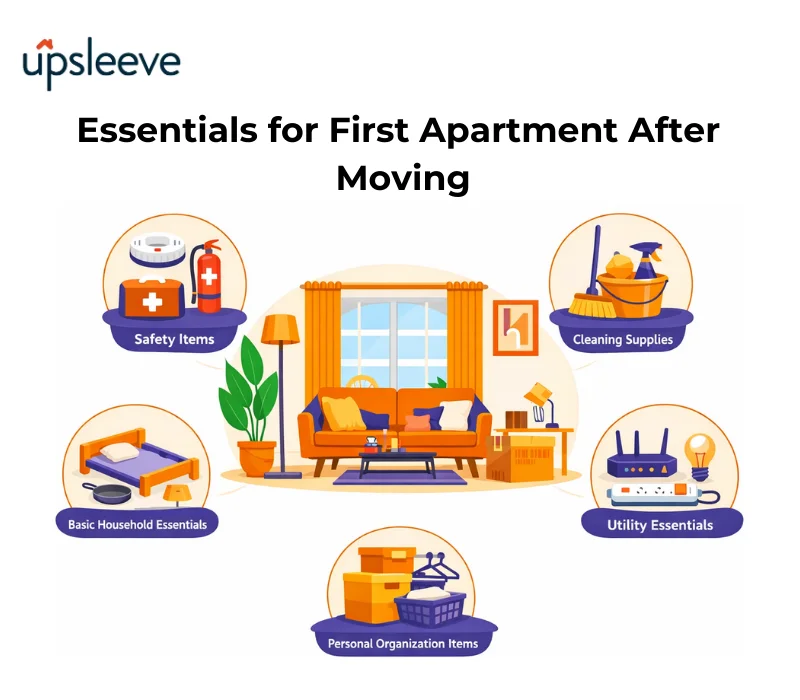
To settle into your first apartment after moving, focus on essential categories that ensure comfort, safety, and functionality.
- Basic household essentials: Include kitchenware, cookware, bedding, towels, and essential furniture like a bed, sofa, and dining table to establish a functional living space.
- Safety items: Equip the apartment with a first aid kit, smoke detectors, fire extinguisher, and emergency tools to protect residents and property.
- Cleaning supplies: Stock brooms, mops, dusters, cleaning agents, and trash bags to maintain hygiene and cleanliness in every room.
- Personal organization items: Add storage bins, closet organizers, and hooks to manage belongings efficiently in a newly moved-in space.
- Utility essentials: Keep flashlights, batteries, extension cords, and basic tools handy for daily maintenance and minor repairs.
How Far in Advance Should I Start Packing Before Moving my Apartment?
For local apartment moves in the UAE, start packing at least 2 to 3 weeks in advance to organize belongings efficiently and reduce last-minute stress. Long-distance moves require earlier preparation, ideally 4 to 6 weeks ahead to handle logistics, secure moving trucks, and coordinate with professional movers. Packing non-essential items first, such as seasonal clothing or decor, allows smoother organization for essential daily items. Labeling boxes clearly and categorizing them by room or usage simplifies unpacking in the new apartment.
How to Pack Clothes for an Apartment Move?
To pack clothes efficiently for an apartment move, follow the steps given below.
- Sort clothes by type and season to separate daily wear, formal outfits, and seasonal items for easier organization.
- Declutter unwanted garments and donate or discard items that are no longer needed to reduce moving volume.
- Fold or roll clothing neatly to maximize space in boxes or suitcases while minimizing wrinkles.
- Use wardrobe boxes for hanging clothes to transport dresses, suits, and coats without removing them from hangers.
- Pack smaller items in labeled bags for socks, underwear, and accessories to maintain order during unpacking.
- Protect delicate fabrics with tissue paper or garment bags to prevent damage during transit.
- Seal and label boxes clearly with room names and contents to simplify unpacking in the new apartment.
- Keep an essentials bag with daily wear and a few personal items for immediate access upon arrival.
How to Move a Piano from an Apartment?
To move a piano out of an apartment, follow the steps outlined below.
- Plan and Prepare: Schedule the move, measure doorways, and gather necessary tools for a smooth relocation from an apartment.
- Protect the Piano: Securely wrap the piano to prevent any damage during handling and transit.
- Get Help: Hire trained movers or assistants familiar with handling heavy musical instruments.
- Use the Right Moving Technique: Employ dollies, sliders, and lifting straps to keep the piano balanced and secure during moving out of the apartment.
- Navigate Carefully: Maneuver through hallways, staircases, and elevators slowly to avoid collisions with walls or fixtures.
- Load and Transport: Secure the piano inside a moving truck with straps and cushioning to prevent shifting during transit.
- Reassembly and Tuning: Position the piano in the new apartment, remove protective coverings, and schedule tuning to restore sound quality.
Do I Need Renters Insurance Before Moving into an Apartment?
Yes, renters’ insurance is not a mandatory requirement for signing a lease agreement in the UAE, but securing a policy before your move-in date is highly recommended. A renters insurance policy safeguards your personal belongings against common risks like fire, theft, or water damage, providing crucial financial protection that a landlord’s primary building insurance will not cover. Renters’ insurance coverage guarantees that if an unfortunate event occurs within your new apartment, the replacement cost of your valuable items is addressed.
What Do I Need to Clean Before Moving Out?
To clean your apartment before moving out, follow the checklist given below.
- Clean kitchen countertops, cabinets and sinks
- Scrub stovetops, ovens and microwaves
- Sanitize bathroom toilets, showers and sinks
- Wipe mirrors, tiles, and bathroom fixtures
- Sweep, mop, and vacuum all floors
- Wash windows, window tracks and frames
- Remove dust and marks from walls
- Clear vents, baseboards, and light fixtures
- Empty and clean closets and storage spaces
- Dispose of trash and leftover items properly
How to Unpack After Moving to a New Apartment?
To unpack after moving to a new apartment, follow the steps given below.
- Set unpacking priorities for essential rooms like the bedroom, bathroom and kitchen.
- Open essential boxes containing bedding, toiletries, chargers, and basic cookware.
- Sort items room-by-room to keep each apartment area organized and clear.
- Place main furniture such as beds, sofas, and wardrobes to define the layout.
- Arrange cabinet storage for kitchenware, clothing and important documents.
- Remove packing materials like cartons, bubble wrap, and tape waste for quick disposal.
- Clean surface areas before setting décor or accessories in each room.
- Review completed sections to confirm every box is opened and items are properly positioned.
Related Articles
Use a complete moving out checklist to plan, pack, notify utilities, clean, inspect your property, avoid delays, and ensure a smooth, stress-free move.
Learn what relocation means in the UAE, its main types, costs, and a clear step-by-step guide to relocate smoothly with legal, housing, and moving tips.

Discover 12 benefits of hiring professional movers and packers in the UAE, including safe packing, faster moves, cost savings, insurance, and stress-free relocation.
Ready to Move?
Get Your Free Quote
Today
We make moving simple, safe, and stress-free. Our professional team handles everything from packing to delivery with care and precision.
- Professional packing & unpacking services
- Fully insured and licensed movers
- Same-day & next-day availability
- Free, no-obligation estimates
Request a Quote
Fill out the form below and we’ll get back to you as early as possible.