

Learn how much movers cost in the UAE, including pricing factors, apartment size, distance, services included, and tips to plan your moving budget.
Pest Control Before Moving In: Benefits and Costs in the UAE
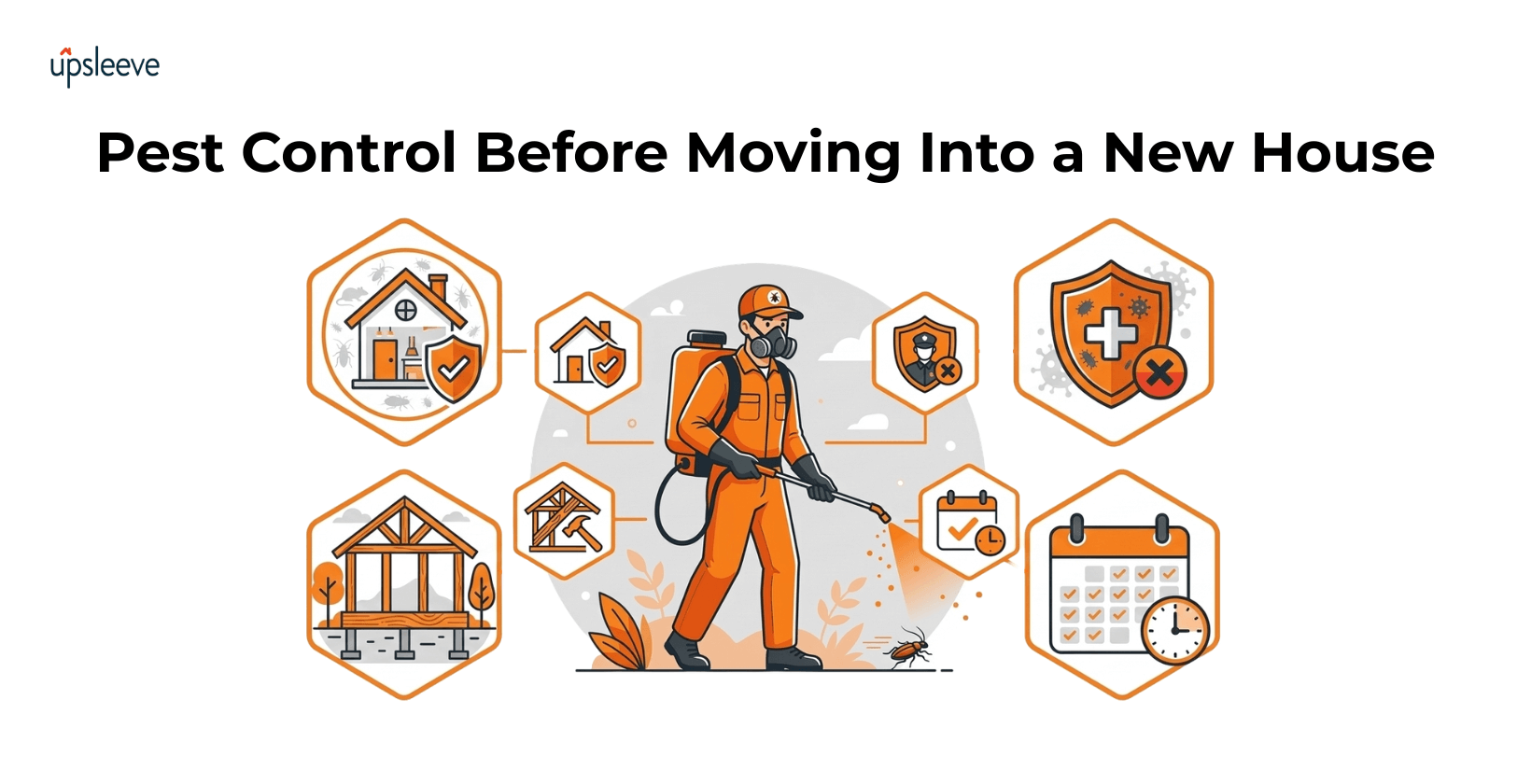
Pest control is the process of protecting residential and commercial properties from unwanted insects, rodents, and other harmful pests that affect health, hygiene, and personal belongings. Conducting pest control before moving into a new home ensures a clean and uncontaminated environment from the very start. Pest control protects furniture and electronics, prevents infestations carried over from previous occupants, and reduces the costs associated with emergency treatments.
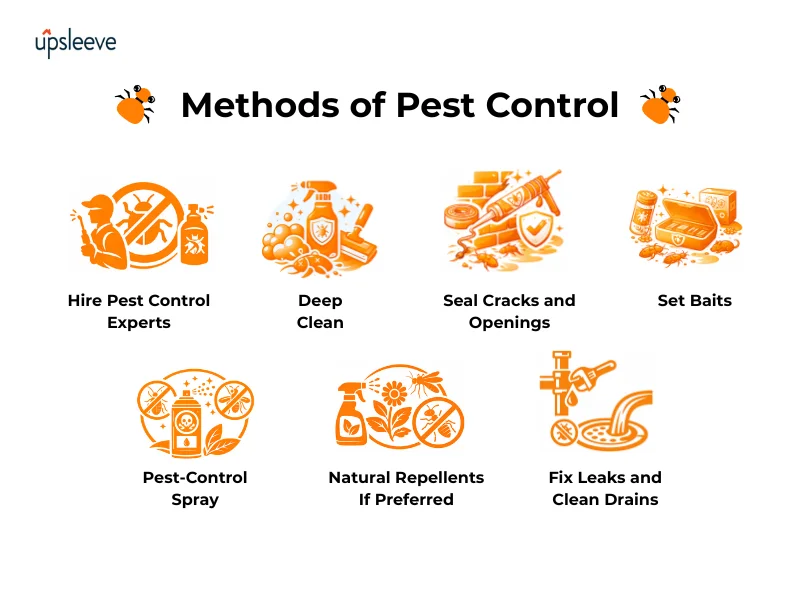
The pest control process involves hiring pest control experts, cleaning the property, sealing cracks and openings, setting baits, applying pest-control spray, using natural repellents if preferred, and fixing leaks and cleaning drains. Check leaks, drains, and potential hotspots to further guarantee that the home is fully protected before belongings are moved in.
Pest control costs in the UAE range from AED 200 to AED 1,500 depending upon the type of pests, severity of infestation, property size, and treatment method. By investing in preventive pest control, homeowners enjoy a safer, cleaner, and stress-free move-in experience while protecting their property and health.
What is Pest Control?
Pest control is the process of managing, preventing, and eliminating unwanted insects, rodents, and other pests from homes, offices, and commercial spaces. It includes identifying pest activity, removing infestation sources, blocking entry points, applying safe control methods, and maintaining long-term protection. A well-planned pest control system improves indoor safety, prevents pest-related diseases, protects furniture and structures, and supports long-term cleanliness through proactive prevention and regular maintenance. Pest control in the UAE operates under emirate-level regulators, and each emirate approves its own providers separately. Dubai pest control is regulated by the Dubai Municipality Public Health Pest Control Section, whereas Abu Dhabi pest control is regulated by the Abu Dhabi Centre for Waste Management (Tadweer) and the Department of Economic Development.
What are the Benefits of Pest Control Before Moving In?
The benefits of pest control before moving in include ensuring a pest-free start, protecting your furniture and belongings, saving money in the long run, improving hygiene and health, reducing stress after moving in, and strengthening long-term pest prevention. It ensures a pest-free start from day one by keeping your home free from insects and rodents, and protects your furniture by preventing pests from chewing, staining, or damaging your items. UAE climate creates high pest pressure throughout the year, as in places like Dubai, humidity reaches 60-90% and outdoor temperatures exceed 40°C in summer, driving pests indoors toward cooler, air-conditioned, and moisture-rich spaces. As a result, common household pests such as German cockroaches, American cockroaches, subterranean termites, bed bugs, rodents, and mosquitoes are frequently found in UAE homes. Pre-move pest treatment is therefore designed to target these specific species that new residents are most likely to encounter.
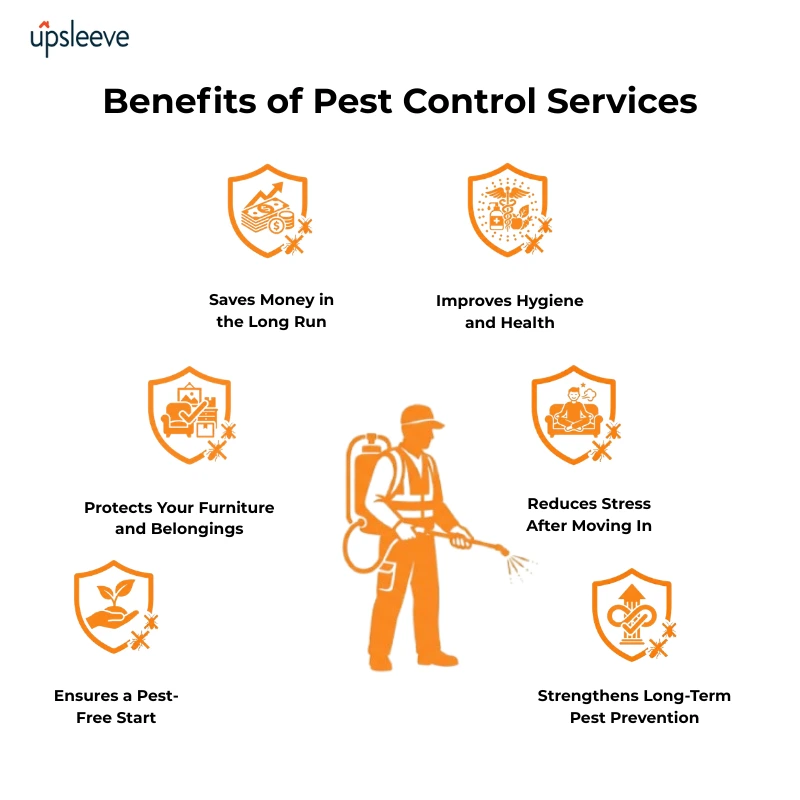
Ensures a Pest-Free Start
Pest control services provide a pest-free start before moving in by targeting hidden nests, larvae, eggs, and potential entry points to eliminate pests before any belongings are brought into the home. This keeps your new home clean and safe from the very beginning, preventing health risks and pest-related problems.
Early treatment of pests blocks existing nests, eggs, or insect trails from surviving the move-in process. Pest control prevents infestations carried over from previous occupants like cockroaches, bed bugs, and ants, from mixing with your items. A fully cleaned home gives you a fresh and safe start without worrying about hidden pests.
Protects Your Furniture and Belongings
Preventing pests from invading mattresses, sofas, wardrobes, and electronics ensures that your furniture and belongings remain untouched until they are unpacked in your new home. Early pest treatment blocks insects like bed bugs, ants, and cockroaches from hiding inside soft furnishings or small appliance openings.
A protected space keeps your personal items safe from contamination, stains, odors, and bacterial spread that pests carry. Thorough pest control also reduces the risk of long-term damage, especially to wood, fabric, and electrical components. Starting with a pest-free environment guarantees your belongings remain clean, secure, and fully preserved during the move-in process.
Saves Money in the Long Run
Pest control prevents expensive infestations that require multiple treatments and helps you avoid the high costs that come with recurring pest issues after moving in. Early pest control reduces the likelihood of furniture damage caused by termites, rodents, or wood-boring insects.
A pest-free home minimizes the risk of pests spreading into walls, wiring, or flooring, which can lead to costly repairs. Proper pest prevention also eliminates the need for emergency pest control calls, which are usually more expensive and urgent. By handling pests upfront, you secure long-term savings while keeping your home protected.
Improves Hygiene and Health
Pest control removes disease-carrying pests such as cockroaches, rodents, and mosquitoes, and immediately improves the hygiene level of your new home. Early pest treatment prevents contamination of food, kitchen surfaces, storage areas, and fabrics where pests leave germs behind.
A pest-free environment blocks bacteria, pathogens, and foul odors from spreading into your living spaces. Thorough pest removal also reduces allergens like droppings, dander, shed skin, or dead insects that trigger respiratory issues.
Reduces Stress After Moving In
Pest control avoids the emotional and physical stress of discovering pests after relocation and helps you settle into your new home with peace of mind. A pre-treated space means you won’t face unexpected infestations that interrupt unpacking or daily routines.
Effective pest control simplifies the entire settling-in process because you arrange furniture, organize rooms, and relax without fear of hidden insects. It also eliminates the need for emergency pest control treatments, which keeps the move calm, predictable, and under control.
| City | Average Piano Moving Cost |
|---|---|
| Dubai | AED 800 to AED 1,800+ |
| Sharjah | AED 550 to AED 2,400+ |
| Ras Al Khaimah | AED 200 to AED 500+ |
| Abu Dhabi | AED 500 to AED 1,500+ |
Planning a Move? Let the Experts Handle It
From home moves to office relocations, our professional movers ensure safe packing, timely transport, and stress-free moving. Get expert help today.
Get a Free Moving QuoteStrengthens Long-Term Pest Prevention
Pest control creates a strong first line of defense that keeps insects and rodents from settling into your new home. Effective pest control techniques include sealing entry points, treating hotspots, and blocking future access routes pests typically use.
Ongoing pest monitoring and pest control follow-up schedules help pest control professionals detect early signs before they turn into serious infestations. Routine pest inspections improve the home’s defense system by keeping risk areas under control.
How Much Does Pest Control Cost in the UAE?
Pest control services cost in the UAE range from AED 200 to AED 1,500 for standard residential treatments. General pest control for insects like ants, cockroaches, or spiders costs around AED 250 to 500, while termite or rodent treatments go higher. Pest control packages include inspection, treatment, and follow-up visits.
Pest control cost depends on several factors, including the type of pest, the severity of the infestation, and the size of the property. More complex treatments, such as for termites or large-scale infestations, require specialized equipment like termite baiting systems and fumigation tents, and longer service durations, which increases the price. The choice of treatment method, like chemical sprays, baits, or eco-friendly solutions, further influences pest control costs.
What are the Methods of Pest Control Before Moving In?
The methods of pest control before moving in are hiring pest control experts, performing a thorough deep clean, sealing cracks and openings, setting baits, applying pest-control sprays, using natural repellents if preferred, and fixing leaks while cleaning drains to prevent infestations.
1. Hire Pest Control Experts
Hiring pest control experts forms the strongest preventive layer against pests before moving into a new home. Professional teams perform detailed inspections by examining walls, drains, flooring joints, cabinets, and storage corners to detect early infestation and hidden entry points for termites, cockroaches, ants, and rodents. You should always verify the provider’s Dubai Municipality license number before booking, as only pest control companies approved by the Dubai Municipality Public Health Pest Control Section are legally allowed to apply pesticides inside Dubai properties. Cross-check the company against the Dubai Municipality’s updated list of approved pest control providers because hiring an unlicensed operator is a punishable offence and may void related property insurance.
Upsleeve’s pest control services include pest identification reports, odour-free sprays, eco-friendly chemicals, targeted gel treatments, and crack sealing to control pests safely and effectively. Our approach includes proper pest identification, correct treatment placement, and pest activity blockage inside the property. Pest control experts provide monitoring traps, follow-up visits, service warranties, and sanitation guidance to maintain a hygienic and pest-free living space from day one.
Approved service providers issue a treatment certificate after every visit, with warranty periods that typically run 30 to 90 days for general pests and longer for termite treatments. You should keep these certificates for future landlord, developer, or handover records. Pest control service providers are also required to maintain Material Safety Data Sheets (MSDS) for every pesticide used, which you can request before or after the treatment if needed.
2. Deep Clean
If you don’t want to hire pest control experts, then you should do these extensive steps, such as deep cleaning, sealing cracks and openings, setting baits, and many others. Deep cleaning acts as a foundation in pest control before moving into a new home, when hiring experts is not preferred. The deep cleaning method focuses on removing conditions that attract pests such as leftover food, crumbs, spills, moisture, dust, clutter, and hidden waste. You should scrub counters, shelves, and floors to remove food residue, crumbs, and spills that provide sustenance for pests.
Dust and vacuum cabinets, corners, behind appliances, baseboards, and declutter the storage areas to eliminate hidden dust, waste, and clutter where pests can hide or nest. The deep cleaning process also involves proper disposal of garbage, cleaning drains, and inspecting hidden spaces for crumbs, standing water, or other attractants. You should follow this method to create a hygienic environment that significantly reduces pest infestation risks before settling into the home.
3. Seal Cracks and Openings
Sealing cracks and openings works as a physical pest control method before moving into a new home. Structural entry points like gaps around windows, doors, pipes, and drains give ants, cockroaches, rodents, and termites access to indoor spaces. You should seal wall cracks, fill holes around utility lines, and cover pipe openings to block pest infiltration and stop nesting inside the property. I will recommend adding door sweeps, using mesh screens, and tightening window frames to close movement spaces that pests use to enter. Sealing all possible openings creates a protective barrier that prevents infestations even before anyone starts living in the house.
4. Set Baits
Setting bait is a targeted pest control method where poisoned food lures are used so pests carry the toxin back to their nests and eliminate the entire colony. Baits attract ants, cockroaches, and rodents using food-based lures that contain controlled poison to stop infestation at the source. You should place bait stations near entry points, drains, cabinets, and wall gaps to target hidden activity and reduce pest movement indoors. Controlled trapping or poisoning inside closed stations keeps treatment safe for children and pets while eliminating pests inside nests.
5. Pest-Control Spray
Pest-control spray is a chemical solution used to kill and block pests inside a home using expert-grade chemical formulations. This pest-control method involves treating the perimeter, baseboards, cracks, and crevices with a long-lasting insecticide. You can spray insecticide solutions on floors, walls, behind cabinets, and around entry points to target cockroaches, ants, spiders and mosquitoes. Residual chemicals remain active on treated surfaces and prevent repeated infestations for months. You should cover high-risk areas such as kitchens, bathrooms, drains, and storage spaces to secure the entire home from common pests and for full protection. Proper timing, coverage, and choosing the correct spray formulation are crucial for effective pest management and minimizing environmental harm. Pesticide use in the UAE is regulated under Federal Law No. 10 of 2020 on Pesticides, and only products approved by the Ministry of Climate Change and Environment and Dubai Municipality can be legally used in residential properties. This means you should always avoid grey-market products or DIY sprays sold outside approved retail channels to ensure compliance with the law. UAE law also imposes financial penalties for using unregistered, counterfeit, or unsafe pesticides, so it is important to rely only on licensed and approved products and service providers.
6. Natural Repellents If Preferred
Use natural repellents, which are naturally derived substances, to deter pests rather than chemically eliminating them. Common natural agents include essential oils like peppermint, citronella, or tea tree, which are diluted and sprayed around the house’s entry points, baseboards and potential hiding spots. Other options include dusting Diatomaceous Earth (a naturally occurring powder) or placing strong-smelling herbs and spices in cabinets and corners. Natural repellents create a scent barrier that discourages pests from settling in, but they generally work better as a preventative measure for mild issues rather than eliminating a severe and existing infestation.
7. Fix Leaks and Clean Drains
Fix all leaky faucets, pipes, and appliances to eliminate primary water sources that pests need to survive. Pests like cockroaches, mosquitoes, and rodents are heavily attracted to moisture and stagnant water. Clean clogged drains and gutters thoroughly to remove accumulated organic debris, standing water, and organic matter, which serves as both a food source and a nesting site for drain flies and other insects. This maintenance strategy denies pests access to crucial water and food and prevents the creation of damp and dark environments where pests prefer to hide and breed.
When to Do Pest Control for a New Home?
The ideal timing for doing pest control in a new home is after a thorough deep cleaning and before furnishing, so that the sprays and treatments reach all hidden corners. Newly constructed homes also require pest control because construction materials, damp areas, and nearby landscaping attract pests. Follow-up inspections after moving in maintain a fully protected environment and prevent recurring infestations.
Property type also affects the pest treatment scope in the UAE, as villas in communities such as Arabian Ranches, Dubai Hills Estate, and Mirdif face higher termite and rodent activity due to the surrounding soil, gardens, and landscaping. Apartments in Dubai Marina, Downtown Dubai, Business Bay, and JBR, on the other hand, have elevated cockroach and bed bug activity through shared drainage systems, rubbish chutes, and adjoining units. This is why Villas near gardens or water features need monthly treatment, and apartments need quarterly treatment.
What Are the Three Rules for Pest Control?
The three rules for pest control are prevention, identification, and treatment, and each rule guides how a home stays protected from common insects. The most effective way to manage pests is to prevent them from entering your home in the first place. Preventive strategies such as sealing entry points, maintaining cleanliness, managing waste properly, controlling moisture, and maintaining landscaping help block future infestations and remove the moisture and food sources that attract pests.
Pest identification confirms the exact pest because signs like droppings, bite marks, and nesting spots reveal whether ants, cockroaches, or rodents are active. Treatment or elimination of pests involves removing the problem with targeted sprays, bait stations, and barrier applications to stop ongoing activity. Dubai residents can contact the Dubai Municipality on 800 900 for pest-control queries, verification of approved companies, or reports of suspected pesticide misuse. Food Control Department of Dubai Municipality advises immediate reporting in cases of suspected pesticide poisoning inside a treated home so authorities can inspect the property and take necessary action without delay.
How Often Should Pest Control Be Done?
Pest control should be done quarterly for most homes because seasonal changes increase ants, roaches, and spiders around common entry points. Quarterly treatments protect indoor areas as moisture changes and warm temperatures attract pests toward entry points.
Monthly pest control plans suit high-risk areas since food zones, storage rooms, and outdoor gardens raise infestation chances. Yearly pest control services offer long-term protection as full-house barrier sprays and deep checks help control hidden pests.
How to Keep Your Home Protected from Bugs?
To keep your home protected from bugs, you should clean floors, remove crumbs, and reduce moisture so pests lose their main food and water sources. Seal all the entry points, such as caulked gaps, screened windows, and covered vents, to stop ants, roaches, and mosquitoes from entering the living space.
Keeping your indoor areas dry also helps because fixed leaks, proper ventilation, and controlled humidity limit pest survival. Natural repellents support pest protection as essential oils, safe sprays, and outdoor barrier treatments push common household insects away.
Related Articles
Use a complete moving out checklist to plan, pack, notify utilities, clean, inspect your property, avoid delays, and ensure a smooth, stress-free move.
Learn what relocation means in the UAE, its main types, costs, and a clear step-by-step guide to relocate smoothly with legal, housing, and moving tips.

Discover 12 benefits of hiring professional movers and packers in the UAE, including safe packing, faster moves, cost savings, insurance, and stress-free relocation.
Ready to Move?
Get Your Free Quote
Today
We make moving simple, safe, and stress-free. Our professional team handles everything from packing to delivery with care and precision.
- Professional packing & unpacking services
- Fully insured and licensed movers
- Same-day & next-day availability
- Free, no-obligation estimates
Request a Quote
Fill out the form below and we’ll get back to you as early as possible.