
Learn how much movers cost in the UAE, including pricing factors, apartment size, distance, services included, and tips to plan your moving budget.
Freight Forwarder: Definition, How it Works, Tracking, Benefits, and Challenges in the UAE
Last Updated: March 26, 2026
Table of Contents
- What Is a Freight Forwarder?
- How Does Freight Forwarding Work?
- What Are the Different Types of Freight Forwarding?
- How to Track Freight Forwarding Shipments?
- What Are the Benefits of Using a Freight Forwarder?
- What Are the Challenges of Freight Forwarding in the UAE Market?
- Ready to Move? Get Your Free Quote Today
A freight forwarder is a logistics professional or company that organizes and manages the movement of goods for clients across domestic and international routes. Freight forwarding works through a step-by-step process that includes shipment booking, preparing required documentation, securing cargo packaging and labeling, coordinating with carriers, clearing customs, monitoring transportation and tracking, handling delivery and handover, and managing exceptions.
The overall freight forwarding market in the UAE is projected to generate US$13.36 billion in value added by 2025, as reported by Statista in 2025.
Freight forwarding types include ocean, air, and land/truck forwarders, consolidators, customs brokers, specialized forwarders, and NVOCCs (Non-Vessel-Operating Common Carriers). Each type focuses on specific transport modes, cargo types, or regulatory needs to manage shipments efficiently. Shipments are tracked in real-time using centralized systems that monitor cargo at every stage. Tracking provides updates on location, transit milestones, and delivery status to guarantee transparency and timely problem resolution.
Using a freight forwarder simplifies the shipping process, guarantees compliance with regulations, provides access to multiple carriers and transport routes, reduces transportation costs, and enables real-time tracking. The challenges of freight forwarding in the UAE market include navigating complex customs regulations, managing high shipping costs, dealing with port congestion, handling transit delays, and coordinating multiple carriers.
What Is a Freight Forwarder?
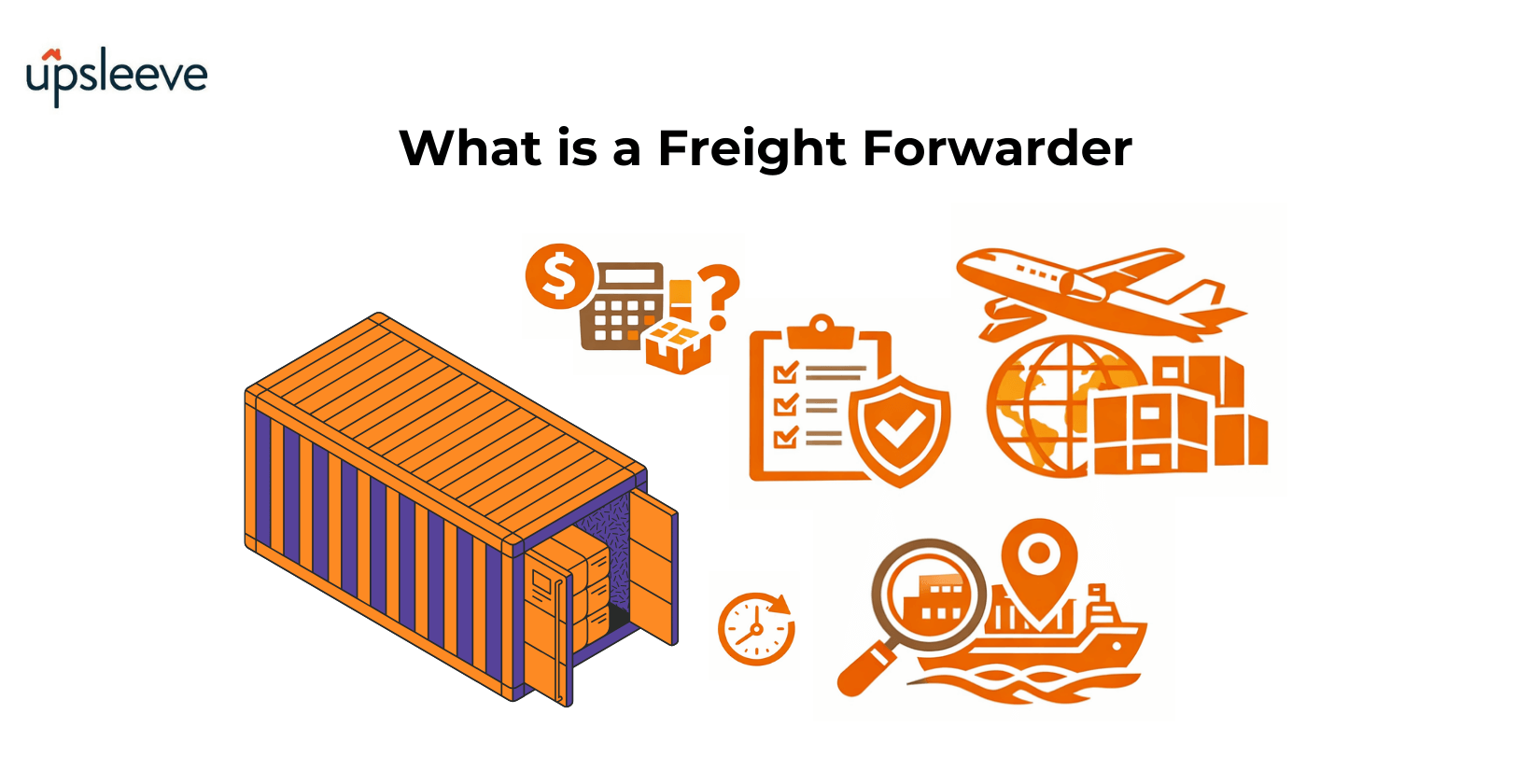
A freight forwarder is a person or company that arranges, manages, and coordinates the transportation of goods on behalf of shippers by handling logistics, documentation, and carrier selection. Freight forwarding is the process of planning, organizing, and executing the shipment of goods from the pickup location to the destination across international borders. Freight forwarders play a crucial role in international trade by guaranteeing smooth import and export operations. A freight forwarding service provider streamlines supply chain management, reduces delays, and handles complex logistics.
In the UAE, freight forwarders support the economy by facilitating trade through major ports and airports. Freight forwarders guarantee compliance with regulatory requirements, including customs and documentation standards. The logistical expertise of freight forwarders enables businesses to move goods efficiently, manage costs, and maintain competitive supply chains in the global market.
How Does Freight Forwarding Work?
Freight forwarding works by scheduling shipments, preparing accurate documentation, securely packaging and labeling cargo, coordinating with carriers, clearing customs, transporting and tracking goods in real-time, completing safe delivery and handover, and managing any delays or issues efficiently.
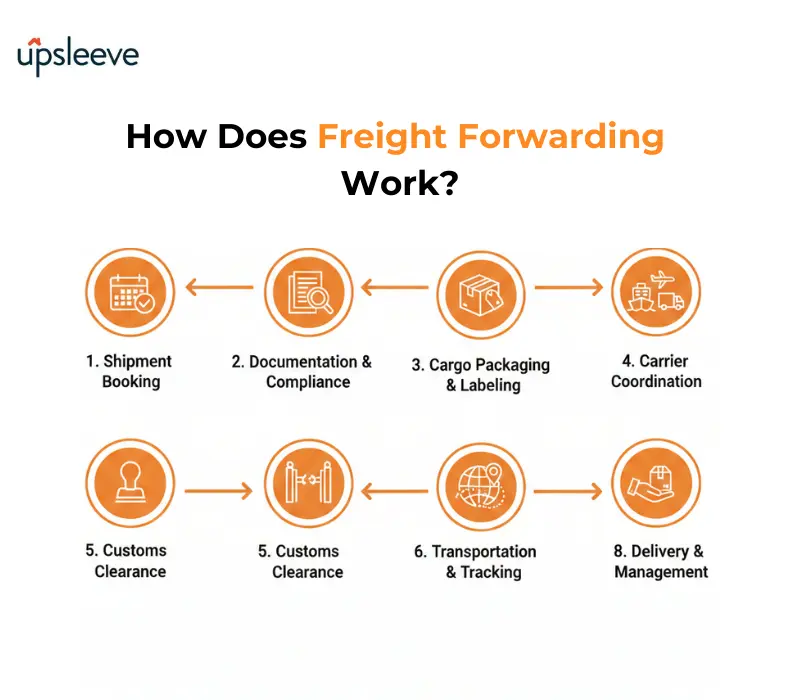
1. Shipment Booking
The freight forwarding process starts when the client books their shipments with a trusted freight forwarder. During booking, essential details are provided to the freight forwarder, including the type of shipment (air, sea, or road), weight and dimensions of the cargo, and preferred delivery timelines. Modern freight forwarders offer online booking platforms that allow clients to submit shipment details from anywhere, select services, and receive instant booking confirmations. Once the booking is confirmed, the forwarder generates a shipment reference number for tracking and further coordination.
2. Documentation & Compliance
After booking, the freight forwarding process moves to documentation and compliance. The freight forwarder prepares all essential shipping documents, including commercial invoices, packing lists, permits, and customs forms, to confirm that each document is accurate and complete. Freight forwarders also guarantee compliance with UAE import/export regulations and international shipping standards, which protect shipments against legal or regulatory issues. By handling documentation professionally, forwarders streamline the shipping process and provide clients with peace of mind.
3. Cargo Packaging & Labeling
Once documentation is ready, the next step in freight forwarding is cargo packaging and labeling. Freight forwarders make sure that each shipment is securely packaged based on the product type, fragility, and chosen transport method, whether air, sea, or road. Forwarders use proper packaging to prevent damage during transit and maintain the integrity of the goods. They clearly label each package with handling instructions, shipment details, and destination information. All packaging and labeling procedures comply with UAE safety standards and international shipping regulations, ensuring safe handling and smooth delivery.
4. Carrier Coordination
After packaging and labeling, freight forwarders move to carrier coordination. They communicate and collaborate with shipping lines, airlines, and trucking companies to schedule transport. Freight forwarders also manage intermodal transfers by seamlessly switching cargo between sea, air, or road transport when necessary. Freight forwarders continuously communicate with the carrier for real-time updates, efficient problem-solving, and confirm that the shipment follows the planned schedule from origin to destination.
5. Customs Clearance
Once the shipment reaches its entry point, the freight forwarder handles customs clearance. They verify all documentation, such as invoices, permits, and packing lists to match UAE customs requirements. Freight forwarders also manage duty payments, taxes, and any required inspections to prevent delays or legal complications. Freight forwarders offer smooth compliance with UAE import/export regulations to allow shipments to move efficiently through customs without unnecessary hold-ups.
Planning a Move? Let the Experts Handle It
From home moves to office relocations, our professional movers ensure safe packing, timely transport, and stress-free moving. Get expert help today.
Get a Free Moving Quote6. Transportation & Tracking
After customs clearance, shipments enter the transportation phase. Freight forwarders confirm that goods are safely transported to the destination using the chosen mode, air, sea, or road. Forwarders use advanced GPS monitoring, which allows real-time tracking and gives clients accurate updates on shipment location and milestones. Freight forwarders also handle proactive issue management by addressing delays, route changes, or unexpected challenges promptly. The high level of visibility and control by freight forwarders guarantees that shipments arrive on time and in perfect condition.
7. Delivery & Handover
The final stage of freight forwarding is delivery and handover. Freight forwarders confirm that shipments reach the recipient safely and on time by providing door-to-door delivery services. Upon arrival, the recipient confirms receipt through proof of delivery and acknowledgment. Forwarders maintain detailed records of the handover to help clients with future reference, compliance, or any claims.
8. Exception Management
Freight forwarders proactively manage exceptions and unexpected issues during the shipping process. Exceptions that freight forwarders manage include handling delays, damages, or lost shipments efficiently. Clients receive real-time notifications about any problems along with clear guidance on the next steps. Freight forwarders implement contingency plans and follow structured resolution processes to minimize disruption, make sure timely delivery, and maintain cargo integrity.
What Are the Different Types of Freight Forwarding?
The different types of freight forwarding are ocean forwarders, air forwarders, and land forwarders, consolidators, customs brokers, specialized forwarders, and NVOCCs, each handling specific transport, consolidation, or regulatory needs.
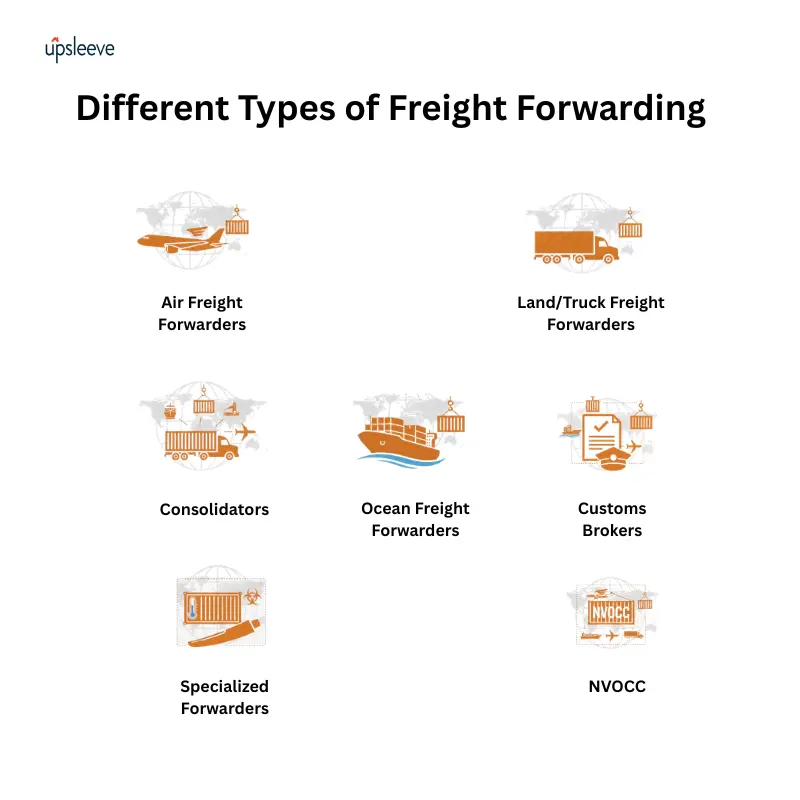
Ocean Freight Forwarders
Ocean freight forwarders handle containerized cargo by organizing shipments into standard containers and loading them onto vessels for international routes. They handle bulk shipments with designated vessels and secure stowage for large volumes of goods. Ocean Freight forwarders plan shipping schedules, coordinate with port authorities, and arrange vessel space to move shipments efficiently across global maritime networks.
Ocean freight forwarders manage port operations by supervising cargo unloading, storage, and terminal transfers. They coordinate with shipping lines to confirm vessel availability, align sailing schedules, and guarantee smooth handoffs between ships. Ocean freight forwarders track cargo throughout the journey and maintain complete documentation, including bills of lading, permits, and customs forms, to keep shipments compliant and traceable.
Air Freight Forwarders
Air freight forwarders handle shipments by booking cargo space on commercial and cargo flights and focusing on fast delivery for urgent, perishable, or high-value goods. They categorize each shipment by weight, dimensions, and priority level to determine the best flight and routing. Air freight forwarders organize air transport schedules and coordinate with airlines to make sure cargo moves swiftly across international airports.
Air freight forwarders manage airport handling by supervising check-in, loading, and unloading of cargo at cargo terminals. They coordinate with airlines to confirm flight schedules, seat availability, and proper aircraft loading. Air freight forwarders handle customs clearance by preparing and submitting accurate documentation, including airway bills and permits. They use cargo tracking monitors to track the shipment in real-time and provide updates to clients from airport departure to final delivery.
Land/Truck Freight Forwarders
Land freight forwarders handle road-based shipments by assigning trucks for transporting goods within the UAE and to neighboring countries. They plan each shipment according to cargo type, weight, and destination. Truck freight forwarders arrange pickup, secure loading, and dispatch trucks on planned routes for timely delivery.
Land freight forwarders handle shipments by assigning trucks, loading cargo securely, and planning routes across the UAE and neighboring countries. Truck freight forwarders coordinate trucking schedules with drivers and clients to make sure each vehicle departs and arrives according to plan. They manage intermodal transfers by organizing handoffs between trucks, ports, or warehouses, which keeps cargo on track. Truck freight forwarders monitor deliveries in real-time, updating clients and adjusting plans to address delays or road issues during transit.
Consolidators
Consolidators handle freight forwarding by combining multiple small shipments from different clients into a single larger consignment. They group each shipment according to destination, size, and type to maximize space and reduce transportation costs. Consolidators arrange pickup, merge cargo at consolidation centers, and prepare the consolidated shipment for transport.
Consolidators perform cargo grouping by arranging individual shipments into pallets or containers based on destination, size, and type for efficient transport. Documentation for the grouped cargo, including invoices, packing lists, and customs forms, is prepared and verified by consolidators. Carrier coordination and shipment tracking are managed by consolidators throughout the journey for adjustments to handle any delays or route changes.
Customs Brokers
Customs brokers assist in freight forwarding by preparing and verifying all required documentation, including invoices, permits, and customs forms for import and export shipments. Custom brokers calculate duties and taxes, submit filings to UAE customs, and arrange inspections when authorities require verification of cargo. They manage clearance by coordinating with customs officials to make sure shipments move smoothly through regulatory checkpoints without delays.
Customs brokers guarantee adherence to UAE customs laws by reviewing shipments for compliance with import and export regulations. Custom brokers submit accurate documentation and duty payments to prevent legal issues or shipment holds. By coordinating with customs officials, brokers facilitate timely inspections and approvals for smooth cargo release to clients.
Specialized Forwarders
Specialized forwarders manage niche freight forwarding by handling hazardous, oversized, or perishable goods with tailored procedures for each cargo type. Specialized freight forwarders select appropriate packaging, transport modes, and storage conditions to maintain safety and quality during transit. They coordinate with carriers, regulatory authorities, and clients to guarantee that shipments comply with all rules and reach destinations without issues.
Specialized forwarders offer specialized packaging by choosing materials and methods suited for hazardous, oversized, or perishable goods. Handling protocols are followed strictly by specialized forwarders, including temperature control, secure loading, and careful transport to prevent damage or safety risks. Special forwarders guarantee compliance with regulatory requirements by preparing accurate documentation, obtaining necessary permits, and coordinating inspections with authorities.
NVOCC (Non-Vessel Operating Common Carrier)
NVOCCs act as intermediaries by arranging freight forwarding services between shippers and carriers, managing all documentation and booking processes. Non-vessel operating common carrier leases containers to provide space for cargo by allowing shippers to move goods even when they don’t own or operate equipment. NVOCC coordinates end-to-end shipments without running vessels themselves by relying on contracted ocean carriers to physically transport the cargo.
NVOCCs handle container leasing by securing units from carriers or leasing companies to guarantee space for shippers. Route scheduling is managed through negotiated slots on multiple vessel operators for flexible transit options. They coordinate cargo consolidation and documentation management through centralized hubs, which create combined shipments and complete paperwork for smooth international movement.
How to Track Freight Forwarding Shipments?
To track freight forwarding shipments, follow the steps given below.
- Obtain the Shipment ID: Request the unique shipment or tracking ID from the freight forwarder when the cargo is booked. The shipment ID serves as the reference for all tracking activities.
- Access the Forwarder’s Tracking Portal: Visit the freight forwarder’s online tracking platform or mobile app. Enter the shipment ID to view the current status of the cargo.
- Monitor Shipment Milestones: Check updates on each stage, including departure, customs clearance, transit points, and arrival at the destination. Regular milestone tracking ensures visibility throughout the journey.
- Enable Notifications & Alerts: Activate email or SMS alerts for real-time updates on delays, arrivals, or exceptions. Automated notifications allow immediate action if issues arise.
- Communicate with the Forwarder if Needed: Contact the forwarder directly for clarifications or to address any discrepancies. Prompt communication ensures timely resolution and smooth delivery.
- 6. Confirm Delivery Completion: Verify the shipment has reached the intended recipient and document proof of delivery. The final step ensures accountability and closes the tracking process.
What Are the Benefits of Using a Freight Forwarder?
The benefits of using a freight forwarder are given below:
- Simplify Shipping Process: Freight forwarders manage all steps of the shipment, which makes the process easier for clients by handling scheduling, coordination, and logistics.
- Ensure Compliance with Regulations: Freight forwarders verify that shipments meet all local and international laws, which reduces the risk of fines or delays.
- Access Multiple Carriers & Routes: Clients gain options across shipping lines, airlines, and trucking companies to find the most efficient routes and schedules.
- Reduce Transportation Costs: Forwarders optimize routes, consolidate shipments, and negotiate rates to lower overall shipping expenses.
- Provide Real-Time Tracking: Shipments are monitored at every stage, which offers live updates and transparency from dispatch to delivery.
- Manage Documentation Efficiently: All invoices, permits, packing lists, and customs forms are prepared and organized accurately for smooth processing.
- Handle Customs Clearance: Forwarders facilitate clearance through customs, including duty payments and inspections, to avoid delays.
- Offer Cargo Insurance Options: Freight forwarders provide insurance solutions to protect shipments against damage, loss, or theft during transit.
- Provide Expertise in Special Cargo: Forwarders offer specialized handling for fragile, oversized, or hazardous goods for safe and compliant transport.
What Are the Challenges of Freight Forwarding in the UAE Market?
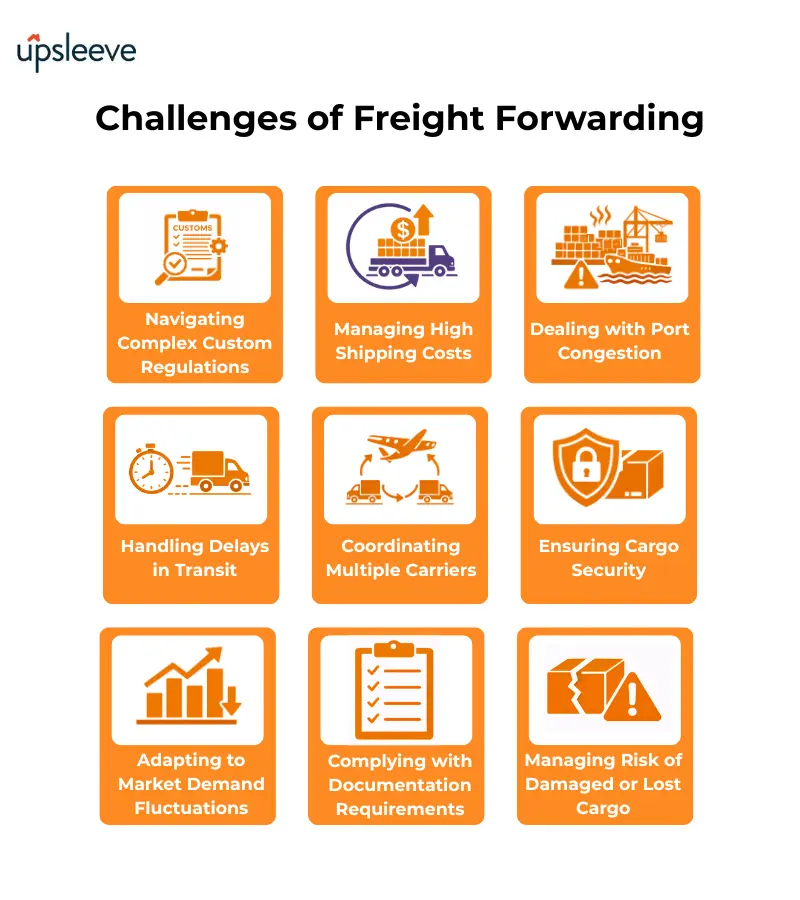
The challenges of freight forwarding in the UAE market are linked to strict customs rules, rising logistics expenses, congested ports, and strict cargo handling standards.
- Navigating Complex Customs Regulations: Complex customs regulations slow clearance because every shipment must match UAE tariff codes and approval rules. Customs requirements create delays when inspections, approvals, and verifications line up at the same time.
- Managing High Shipping Costs: High shipping costs pressure freight budgets because fuel charges, handling fees, and carrier rates stay volatile in the UAE trade lanes. Shipping expenses rise further when space availability drops or when premium routes become the only option.
- Dealing with Port Congestion: Port congestion blocks cargo flow as containers wait for berths, cranes, or terminal space. Congested terminals delay trucking schedules and push storage fees upward.
- Handling Delays in Transit: Delays in transit disrupt delivery plans when vessels miss schedules or weather shifts slow movement. Transit disruptions then affect distribution timelines across the UAE market.
- Coordinating Multiple Carriers: Multiple carriers complicate planning because each carrier follows its own schedule and cut-off times. Carrier coordination becomes harder when vessel changes or truck reroutes pile up in peak seasons.
- Ensuring Cargo Security: Cargo security remains a major concern as high-value goods require sealed containers and controlled checkpoints. Security measures also increase workload when GPS tracking, audits, and terminal checks run simultaneously.
- Adapting to Market Demand Fluctuations: Market demand fluctuations affect capacity planning when freight volumes jump or shrink without warning. Sudden shifts force freight teams to adjust space bookings and warehouse slots quickly.
- Complying with Documentation Requirements: Documentation requirements add pressure because every bill of lading, invoice, and certificate must be accurate for clearance. Paperwork errors then trigger customs queries and additional inspections.
- Managing Risk of Damaged or Lost Cargo: Risk of damaged or lost cargo rises when containers pass through multiple touchpoints in the UAE logistics hubs. Cargo risks also increase when handling crews rush during peak rush hours or vessel cut-off windows.
When Should You Choose a Freight Forwarder?
You should choose a freight forwarder when considering the following factors given below.
- Shipping Internationally: Choose a freight forwarder when simplifying cross-border shipping by managing documentation, regulations, and international compliance.
- Handling Large or Bulky Cargo: When handling large or bulky cargo, hire a freight forwarder to arrange specialized equipment and heavy-lift solutions.
- Needing Multiple Transport Modes: If multiple transport modes are needed, contact a freight forwarder to create a smooth plan combining air, sea, and land.
- Managing Customs Clearance: To avoid customs issues, work with a freight forwarder who prepares and verifies all necessary documents.
- Seeking Cost-Effective Solutions: For cost-effective shipping, partner with a freight forwarder to benefit from bulk rates and optimized carrier networks like Upsleeve.
- Requiring Real-Time Tracking: To track shipments in real time, choose a freight forwarder that provides monitoring at every stage.
- Shipping Time-Sensitive Goods: When shipping urgent or time-sensitive goods, consider a freight forwarder to prioritize fast routes and express carriers.
- Dealing with Specialized or Hazardous Cargo: For specialized or hazardous cargo, select a freight forwarder to choose safe packaging that adheres to safety standards.
- Lacking In-House Logistics Expertise: Trust freight forwarders like Upsleeve as an external logistics partner to handle end-to-end management of documents, transport, and compliance.
How to Choose the Right Freight Forwarder in the UAE?
To choose the right freight forwarder in the UAE, follow the steps given below.
- Verify Licensing: Make sure the freight forwarder holds valid UAE licenses and permits for international shipping. Proper licensing guarantees compliance with local laws and safe handling of shipments.
- Check Industry Experience: Research how long the forwarder has been operating in freight and logistics. You can find this information on their website, through client reviews, or by asking for references and certifications.
- Assess Carrier Network: Examine the network of airlines, shipping lines, and trucking partners the forwarder works with. A strong network offers flexible options, faster transit, and reliable delivery.
- Evaluate Tracking Technology: Check whether the forwarder provides real-time tracking and shipment visibility tools. Advanced tracking technology allows timely updates and proactive management of potential delays.
- Review Pricing & Terms: Compare rates, payment terms, and additional fees across different forwarders. Transparent pricing avoids hidden costs and confirms the service aligns with budget requirements.
- Consider Customer Support: Assess the responsiveness and availability of the forwarder’s support team. Efficient customer service helps resolve issues quickly and keeps shipments on schedule.
- Look for Customs Expertise: Confirm that the forwarder has experience with UAE customs regulations and documentation. Skilled customs handling reduces delays, fines, and compliance risks.
- Check References & Reviews: Read testimonials, case studies, and client feedback from previous customers. Positive references indicate reliability, professionalism, and consistent service quality.
- 9. Ensure Insurance Coverage: Verify the availability of cargo insurance for potential loss or damage during transit. Adequate insurance provides financial protection and peace of mind.
How to Choose the Right Piano Moving Company in the UAE?
To choose the right piano moving company in the UAE, follow the key steps given below.
- Check for Proper Licensing and Insurance: Verify that the movers are licensed and insured to protect your piano against accidents and provide legal compliance.
- Look for Piano Moving Experience: Select a professional piano moving company like Upsleeve, with a proven track record handling uprights, grands, and digital pianos to minimize risk of damage.
- Read Customer Reviews: Review testimonials and ratings to identify trusted piano movers in the UAE and gauge the quality of their piano moving services in the UAE.
- Ask About Equipment and Safety Measures: Make sure the movers use specialized tools like skids, dollies, hoists, and protective padding to safeguard the instrument.
- Compare Quotes from Multiple Moving Companies: Evaluate pricing from several piano moving service providers in the UAE to find a balance between cost and service quality.
- Inquire About Climate-Controlled Transport Options: Confirm availability of climate-controlled trucks to protect the piano from the UAE’s extreme heat and humidity.
- Confirm Availability of Trained Piano Technicians: Check if the company provides certified piano moving professionals or an expert piano transport team for disassembly, reassembly, and post-move tuning.
- Verify Transparent Pricing and No Hidden Fees: Ask for detailed estimates to avoid unexpected charges and offer a fair deal with a professional piano moving company.
- Ask for an On-Site Assessment Before Moving: Ask the moving company to evaluate access routes, stairways, and elevators to plan a safe, efficient relocation.
- Check for Local Knowledge of UAE Moving Regulations and Routes: Make sure the piano moving team understands building rules, permits, and road restrictions, which are crucial when you hire piano movers in the UAE.
What Is the Difference Between a Shipper and a Freight Forwarder?
The difference between a shipper and a freight forwarder lies in their roles in the logistics process. A shipper is the individual or company that owns the goods and is responsible for arranging their transportation. A freight forwarder acts as an intermediary by managing the movement of goods on behalf of the shipper and coordinating with carriers, customs, and other logistics services.
In terms of operational efficiency and cost management, a freight forwarder helps businesses optimize routes, consolidate shipments, and negotiate better rates with carriers. Shippers handle transport directly which leads to higher costs and more complex coordination for multiple shipments. Using a freight forwarder reduces administrative burden, guarantees smoother operations, and improves cost-effectiveness for businesses.
What Is the Difference Between a Freight Forwarder and a Carrier?
The difference between a freight forwarder and a carrier is primarily in service responsibility and ownership of transport. A carrier owns the vehicles, ships, or aircraft used to physically move goods from one location to another. A freight forwarder does not own transport assets but arranges, coordinates, and manages the shipment on behalf of the shipper by handling documentation, customs, and multiple carriers if needed.
For UAE businesses, a freight forwarder provides greater reliability by offering flexible options and contingency plans across different transport modes. Carriers focus on a single mode of transport, which may limit options for complex or multimodal shipments. Freight forwarders negotiate better rates, consolidate shipments, and optimize routes by helping businesses reduce costs compared to working directly with individual carriers.
Related Articles
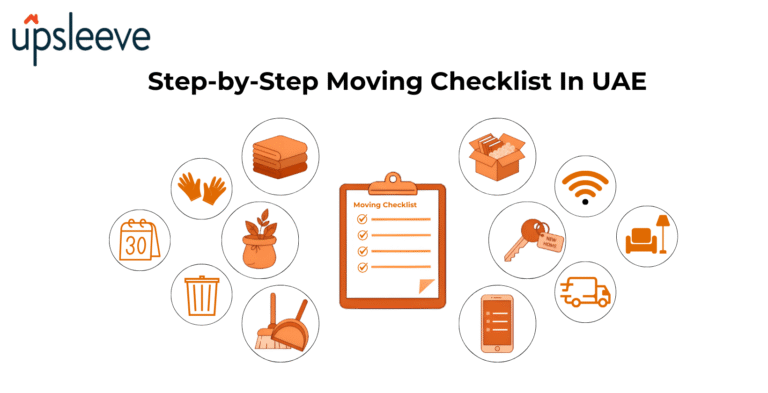
Use a complete moving out checklist to plan, pack, notify utilities, clean, inspect your property, avoid delays, and ensure a smooth, stress-free move.
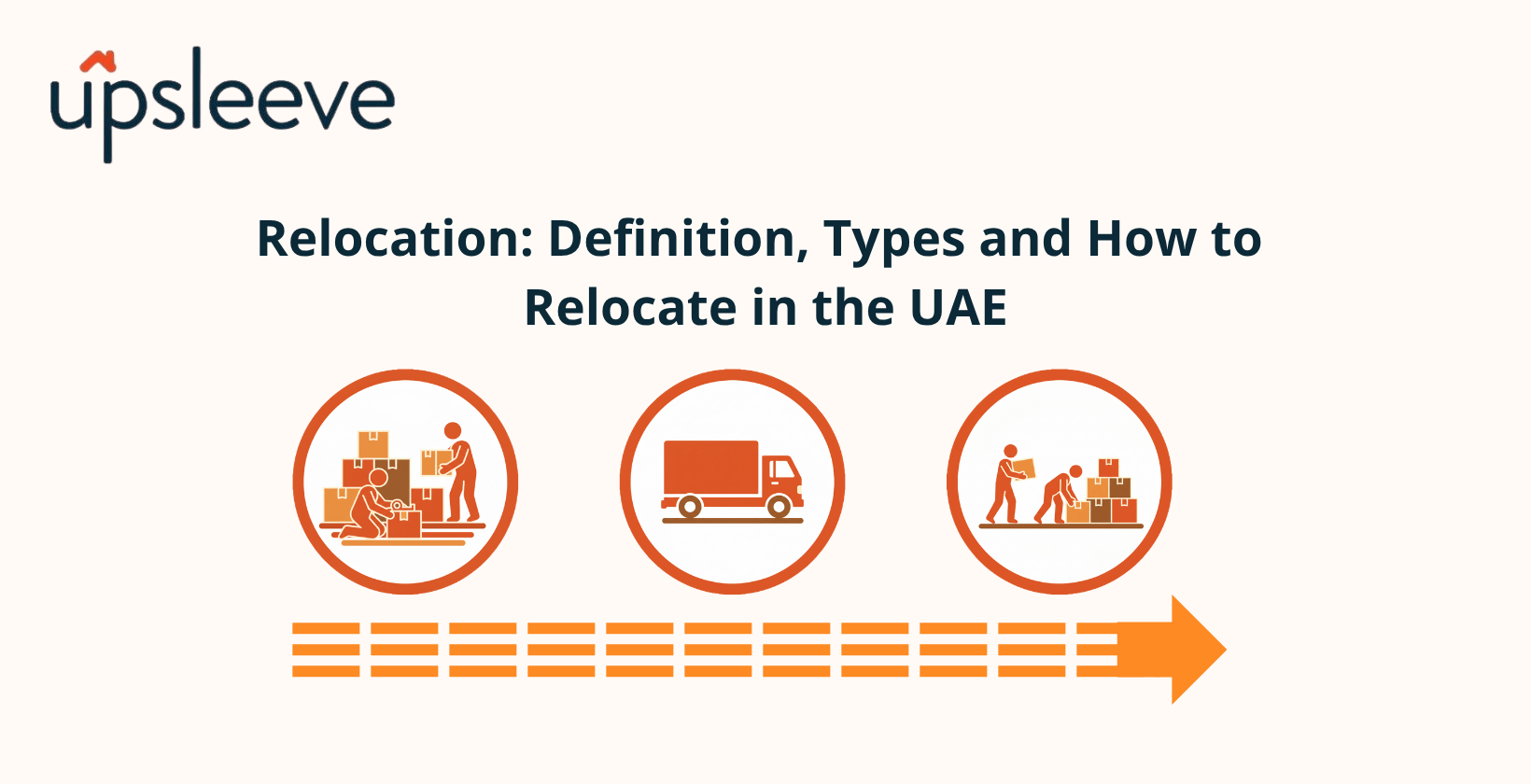
Learn what relocation means in the UAE, its main types, costs, and a clear step-by-step guide to relocate smoothly with legal, housing, and moving tips.

Discover 12 benefits of hiring professional movers and packers in the UAE, including safe packing, faster moves, cost savings, insurance, and stress-free relocation.
Ready to Move?
Get Your Free Quote
Today
We make moving simple, safe, and stress-free. Our professional team handles everything from packing to delivery with care and precision.
- Professional packing & unpacking services
- Fully insured and licensed movers
- Same-day & next-day availability
- Free, no-obligation estimates
Request a Quote
Fill out the form below and we’ll get back to you as early as possible.