

Learn how much movers cost in the UAE, including pricing factors, apartment size, distance, services included, and tips to plan your moving budget.
A Step-by-Step Guide for Packing and Moving in the UAE
Last Updated: March 26, 2026
Table of Contents
- 1. Declutter
- 2. Figure Out What to Pack First
- 3. Create a Packing Schedule and Checklist
- 4. Buy Packing Items
- 5. Keep Valuables Together
- 6. Pack Essentials Bag
- 7. Pack One Room at a Time
- 8. Pack Similar Items Together
- 9. Leave Clothes on Hangers
- 10. Fold or Vacuum-Seal Clothes
- 11. Pack Your Suitcases
- 12. Secure Clothing Drawers
- 13. Wrap Fragile Items
- 14. Avoid Overpacking Your Boxes
- 15. Label Your Boxes
- When Should You Start Packing Before a Move?
- Ready to Move? Get Your Free Quote Today
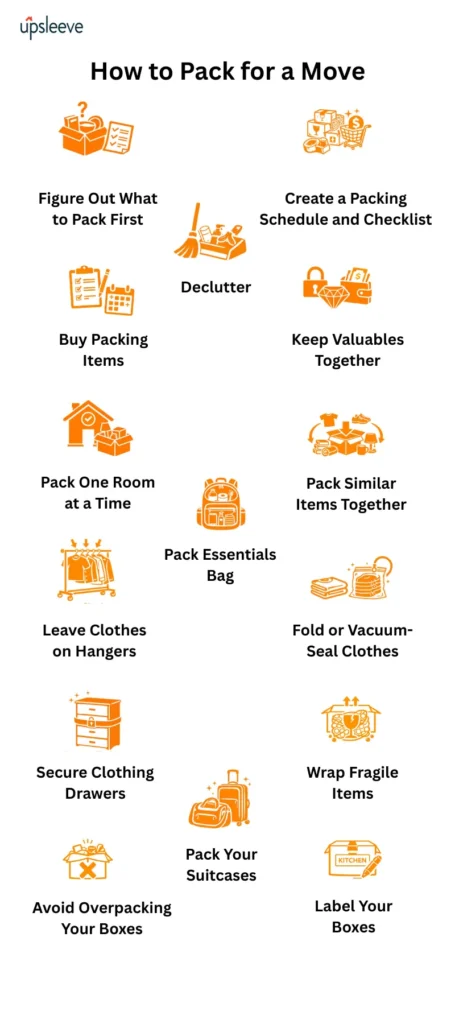
The steps to pack and move efficiently are given below.
- Declutter
- Figure Out What to Pack First
- Create a Packing Schedule and Checklist
- Buy Packing Items
- Keep Valuables Together
- Pack Essentials Bag
- Pack One Room at a Time
- Pack Similar Items Together
- Leave Clothes on Hangers
- Fold or Vacuum-Seal Clothes
- Pack Your Suitcases
- Secure Clothing Drawers
- Wrap Fragile Items
- Avoid Overpacking Your Boxes
- Label Your Boxes
- Start Packing Early (4 to 6 Weeks Before Move)
Proper packing is the key to a successful move, as it safeguards your belongings to provide a more organized unpacking experience. A step-by-step approach, starting with decluttering the items, then selecting the right packing materials and techniques, reduces the risk of damage, lowers moving costs, and keeps essential items within easy reach. Structured packing also makes handling easier for movers and contributes to a smoother relocation.
1. Declutter
Start by sorting belongings room by room and separating items into categories such as keep, donate, sell, or discard. These categories should include clothes, appliances, furniture, décor, and stored items, allowing you to remove anything broken, unused, or duplicated. This process not only reduces moving costs and packing time but also helps you begin organizing your new home with only the essentials.
2. Figure Out What to Pack First
Separate non-essential items, such as seasonal clothing, décor, books, and spare linens, from essential items like daily wear, toiletries, and important documents. This step helps you pack efficiently, avoid misplacing important items, and access daily necessities easily during the move. The item categorization method helps identify what can be boxed early and what must stay accessible, allowing you to plan a clear and efficient packing order.
3. Create a Packing Schedule and Checklist
Create a packing schedule and checklist by listing all rooms, estimating how long each will take, and assigning specific packing days to each space. A structured moving checklist includes tasks such as gathering packing supplies, sorting belongings, packing non-essential items first, and preparing an essentials bag. This checklist helps you stay organized, manage time effectively, and reduce last-minute stress during the move.
4. Buy Packing Items
Make a packing materials checklist that includes boxes, packing tape, bubble wrap, stretch film, labels, and protective wraps to match the items you are packing. Packing materials should be bought based on volume and item type, like sturdier boxes for heavy goods, wardrobe boxes for clothes, and bubble wrap for fragile belongings.
5. Keep Valuables Together
Keep valuables like passports, jewelry, cash, documents, and small electronics together to manage them safely during your move. A single pouch, travel organizer, or secure hand-carry bag helps store these items and prevents loss or misplacement while boxes are being packed and transported.
6. Pack Essentials Bag
Pack an essentials bag which includes everyday necessities such as a change of clothes, sleepwear, and basic outfits for the next 24 to 48 hours. This essentials bag helps you stay comfortable and organized without needing to unpack everything immediately. Additional items like toiletries, chargers, medications, important documents, and small personal belongings should also be included so you don’t have to open multiple boxes just to access what you need.
7. Pack One Room at a Time
Start packing with rooms you use the least, such as storage areas or guest bedrooms, to avoid disrupting your daily routine. Moving boxes should be packed with similar items, such as books, décor, or linens, and kept together for easier organization. Each box should be labeled with the room name and contents, with fragile items placed in separate, clearly marked containers. This approach helps prevent damage, speeds up unpacking, and makes it easier to locate items after the move.
Planning a Move? Let the Experts Handle It
From home moves to office relocations, our professional movers ensure safe packing, timely transport, and stress-free moving. Get expert help today.
Get a Free Moving Quote8. Pack Similar Items Together
Group similar items together by type, such as books packed with books, glassware kept with other fragile items, kitchen utensils grouped in labeled containers, and clothing sorted by season or family member. This categorized packing simplifies unpacking and makes sure you can quickly find and set up related belongings in your new home.
9. Leave Clothes on Hangers
Keep clothes on hangers, covered with garment bags or large plastic bags, to reduce wrinkles and creases. This approach also saves time during packing and unpacking, and allows clothes to be transferred directly into closets at the new home without extra folding or ironing.
10. Fold or Vacuum-Seal Clothes
Use folded bags or vacuum-sealed bags for bulky clothing items like sweaters, jackets, blankets, and comforters, as they compress volume while keeping garments organized. These bags also protect clothing from moisture, dust, and odors, making them perfect for both moving and short-term storage.
11. Pack Your Suitcases
Maximize space with suitcases by fitting folded or rolled clothing to reduce the need to buy extra moving boxes. Using suitcases also makes handling heavier items like jackets, sweaters, and shoes easier while keeping your belongings organized during transport.
12. Secure Clothing Drawers
Seal drawers with tape, plastic wrap, or stretch film to prevent contents from shifting or spilling during transport. Securing drawers protects garments from wrinkles and damage while making it easier to move furniture directly into your new home.
13. Wrap Fragile Items
Wrap fragile items like glassware, ceramics, and electronics carefully with bubble wrap, packing paper, or foam padding. Proper wrapping reduces the risk of cracks, chips, or scratches and minimizes the likelihood of costly repairs or replacements
14. Avoid Overpacking Your Boxes
Pack boxes with a manageable weight, particularly for heavy items like books, canned goods, tools, or ceramic dishes. Using smaller boxes for these belongings helps prevent overload, keeps boxes safe to lift, and reduces strain on movers. Larger boxes can be used for lighter items, such as clothing, linens, or pillows, to maximize space without making them too heavy.
15. Label Your Boxes
Label your boxes with the room name, contents, and any “fragile” or “priority” notes to support accurate inventory management. Clear labeling helps you track items easily, avoid lost boxes, and place everything in the right room during your move.
When Should You Start Packing Before a Move?
You should start packing about 4 to 6 weeks before your move to stay organized and prevent last-minute stress. Six weeks out, begin decluttering, donating unused items, and gathering all necessary packing supplies, such as boxes, bubble wrap, and packing tape, to lay a strong foundation for your schedule.
Four weeks before, focus on packing non-essential rooms such as storage areas, guest bedrooms, seasonal clothing, and décor to manage the workload efficiently. Two weeks prior, concentrate on organizing important documents, packing everyday items in stages, and preparing an essentials bag to keep the final days smooth and stress-free.
How Long Does Packing Take for a Move?
Packing takes from 2 to 7 days for a move depending on the size of your home, the volume of belongings, and how organized your preparation is. A studio or one-bedroom apartment may take 1 to 2 days, while a two or three-bedroom home usually requires 3 to 5 days for relocation. Larger homes with extensive furniture, décor, or storage areas can take up to more than a week, especially if you are sorting, decluttering, and packing without professional help.
How to Pack for a Move in 3 Days?
To pack for a move in 3 days, follow the tips given below.
- Day 1 Declutter and Gather Supplies: Quickly sort items into keep, donate, and discard piles, then collect boxes, tape, bubble wrap, labels, and markers to prepare for an organized packing process.
- Day 1 Pack Least-Used Rooms: Start packing with storage areas, guest rooms, seasonal items, and décor that will not be needed before the move.
- Day 2 Pack Essential Rooms: Move on to bedrooms, living areas, and kitchen items you don’t use daily, grouping similar items to start clearing space and make the packing process more manageable.
- Day 2 Wrap Fragile Items: Use bubble wrap, packing paper, or towels to pack dishes, glassware, picture frames, and electronics.
- Day 3 Pack Daily-Use Items: Finish packing clothes, toiletries, work essentials, bedding, and frequently used kitchen items.
- Day 3 Prepare an Essentials Bag: Pack outfits, medications, chargers, toiletries, documents, and anything needed for the first 48 hours after moving into your new home.
- Final Step Seal, Label, and Organize: Label every box by room and priority, and place packed boxes near the entrance for quick loading.
How to Pack a TV for Moving?
To pack a TV for moving, follow the tips given below.
- Unplug and Organize Cables: Disconnect all wires, label each one, and place them in a sealed bag.
- Clean the TV Surface: Wipe dust off the screen and body to protect the surface from scratches during packing.
- Remove the TV Stand or Wall Mount: Unscrew the base or brackets and pack them separately in a labeled bag or box.
- Wrap the Screen: Cover the front with a microfiber cloth or foam sheet to avoid scratches.
- Add Bubble Wrap: Wrap the entire TV with large bubble wrap, especially around edges and corners, and secure it with tape.
- Use the Original Box (if available): Slide the TV into its foam inserts and original packaging for the best protection.
- Use a TV Moving Box (if original box not available): Assemble an adjustable TV box, place foam corner protectors inside, and place the wrapped TV upright in the center.
- Fill Empty Spaces: Add soft padding like blankets or packing paper to stop items from moving around inside the box during transport.
- Seal and Label the Box: Tape the box securely and label it “Fragile – TV – This Side Up” for careful handling and correct positioning during transport.
- Transport Upright: Load the TV standing vertically and secure it with moving straps or padded braces so it does not tip or slide during the move.
How to Pack Boxes When Moving House?
To pack boxes when moving house, follow the steps given below.
- Gather Packing Supplies: Collect sturdy boxes, packing tape, bubble wrap, packing paper, markers, and labels.
- Sort Items by Category: Keep similar items together by grouping belongings based on their room or type, such as kitchenware, books, clothes, or décor.
- Declutter Before Packing: Remove items you no longer need by donating, selling, or discarding them.
- Pack Heavy Items in Small Boxes: Place books, canned goods, or tools in smaller boxes to make them easier to lift.
- Use Large Boxes for Lightweight Items: Pack linens, pillows, and clothing in bigger boxes to maximize space.
- Wrap Fragile Items: Protect glassware, ceramics, and electronics with bubble wrap or packing paper.
- Fill Empty Spaces: Use crumpled paper or packing peanuts to prevent items from shifting inside the box during transport.
- Seal Boxes Securely: Tape all openings and edges of the boxes to prevent boxes from opening in transit.
- Label Each Box Clearly: Mark each box with the room, contents, and any “fragile” or “this side up” notes.
- Stack Strategically: Place heavier boxes at the bottom and lighter ones on top for safe loading and transport.
How to Unpack After Moving?
To unpack after moving, follow the tips given below.
- Start with Essentials: Unpack your essentials bag first, including clothes, toiletries, medications, chargers, and important documents.
- Set Up Beds and Furniture: Assemble beds, sofas, and other key furniture items to create functional living spaces immediately.
- Organize Room by Room: Focus on one room at a time, and place boxes in their designated spaces before opening them.
- Unpack Kitchen Items: Begin with frequently used items such as kitchenware, appliances, and pantry essentials.
- Sort and Store Belongings: Use shelves, cabinets, and drawers to store items neatly while keeping similar things together.
- Handle Fragile Items Carefully: Unwrap and place breakables like glassware, ceramics, computers and TVs on padded surfaces or stable shelves to prevent damage.
- Dispose of Packing Materials: Break down boxes, recycle packing paper, and store reusable materials for future moves.
- Check for Missing or Damaged Items: Review all boxes and lists to make sure nothing was lost or damaged during the move.
- Finalize Room Setup: Make your rooms comfortable and organized by arranging furniture, hanging curtains or wall décor, and adding finishing touches.
- Relax and Settle In: Take breaks and enjoy your new home once the essentials and key rooms are organized.
What Is the 5-4-3-2-1 Packing Rule?
The 5-4-3-2-1 packing rule, packing 5 tops, 4 bottoms, 3 accessories, 2 pairs of shoes, and 1 hat or essential item, is a structured method for organizing clothes and accessories. This rule helps prevent overpacking and keeps your luggage manageable.
What Is the 3-3-3 Packing Rule?
The 3-3-3 packing rule is packing 3 tops, 3 bottoms, and 3 pairs of shoes (or 3 accessories, depending on preference). This rule helps you focus on essentials, reduce luggage weight, and avoid overpacking unnecessary items.
Related Articles
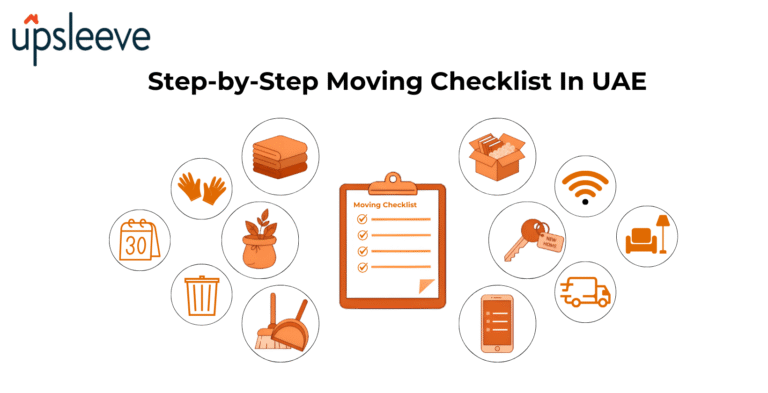
Use a complete moving out checklist to plan, pack, notify utilities, clean, inspect your property, avoid delays, and ensure a smooth, stress-free move.
Learn what relocation means in the UAE, its main types, costs, and a clear step-by-step guide to relocate smoothly with legal, housing, and moving tips.

Discover 12 benefits of hiring professional movers and packers in the UAE, including safe packing, faster moves, cost savings, insurance, and stress-free relocation.
Ready to Move?
Get Your Free Quote
Today
We make moving simple, safe, and stress-free. Our professional team handles everything from packing to delivery with care and precision.
- Professional packing & unpacking services
- Fully insured and licensed movers
- Same-day & next-day availability
- Free, no-obligation estimates
Request a Quote
Fill out the form below and we’ll get back to you as early as possible.